
Για ελληνικά 🇬🇷 κάντε κλικ ΕΔΩ
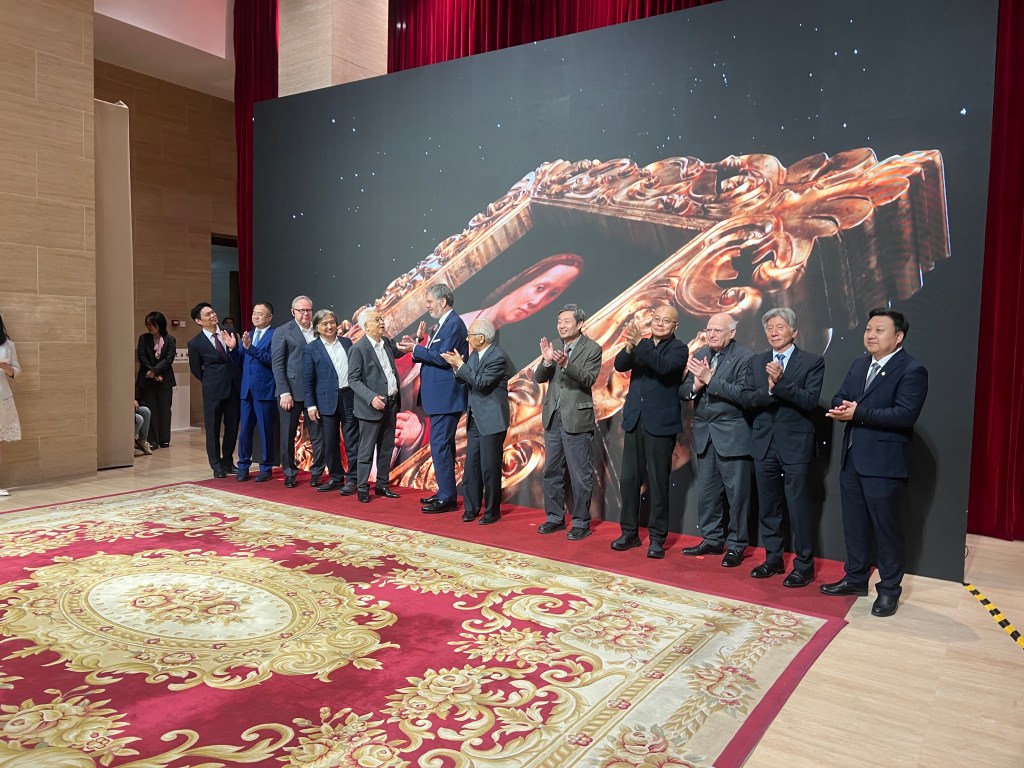
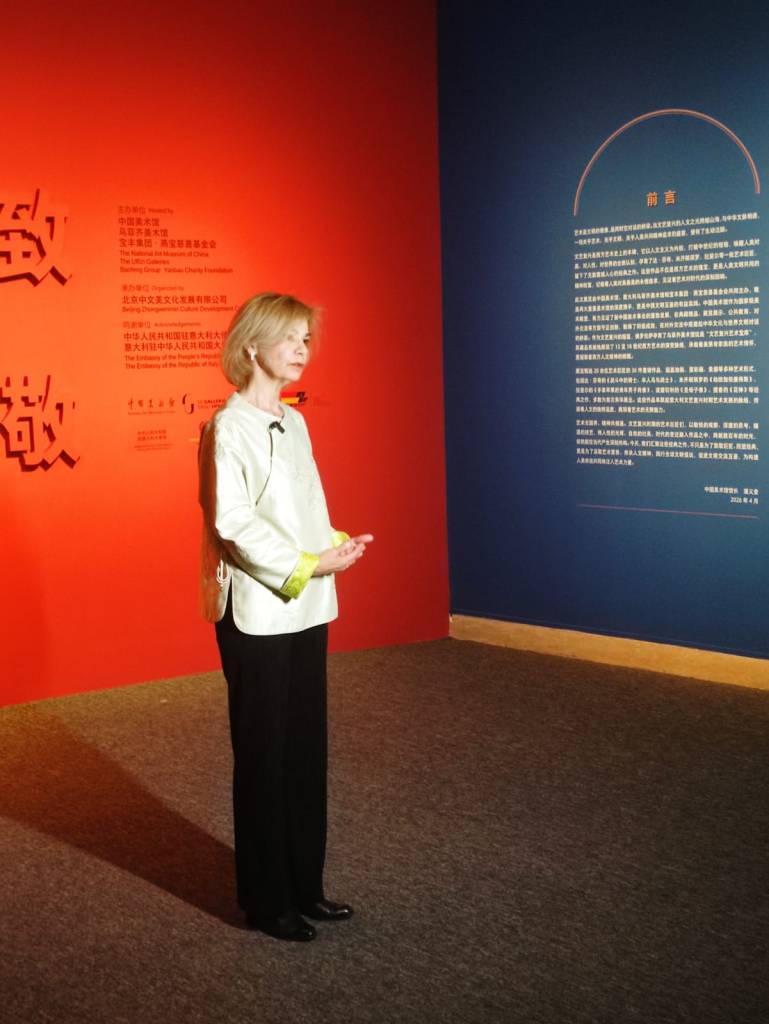
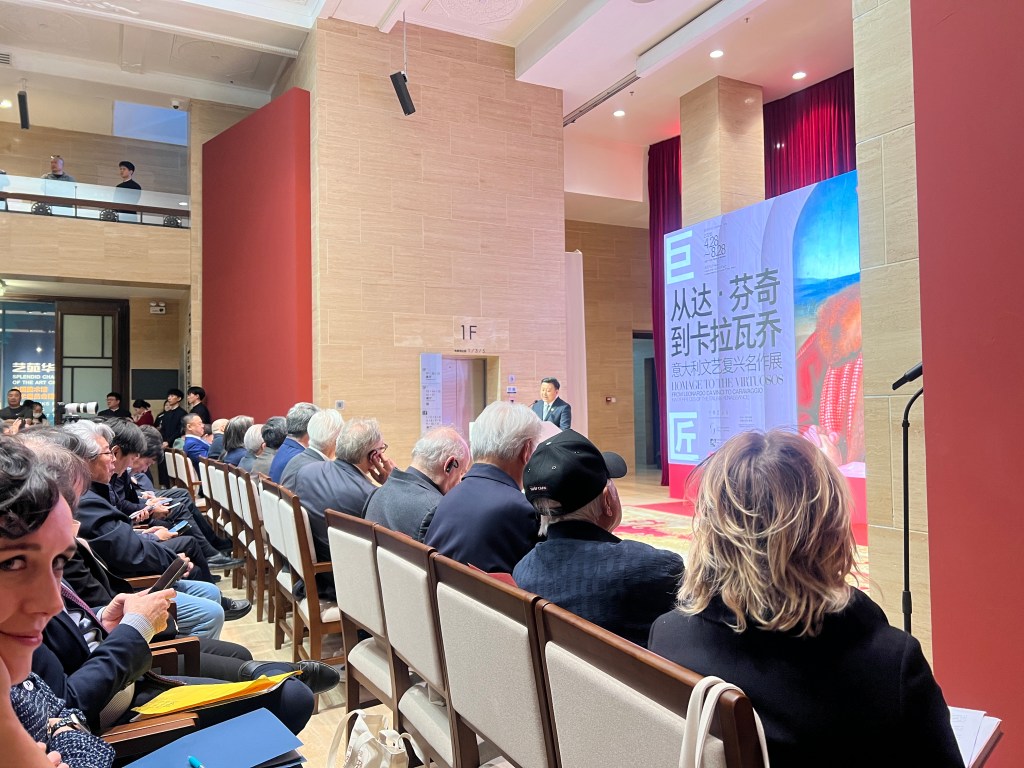
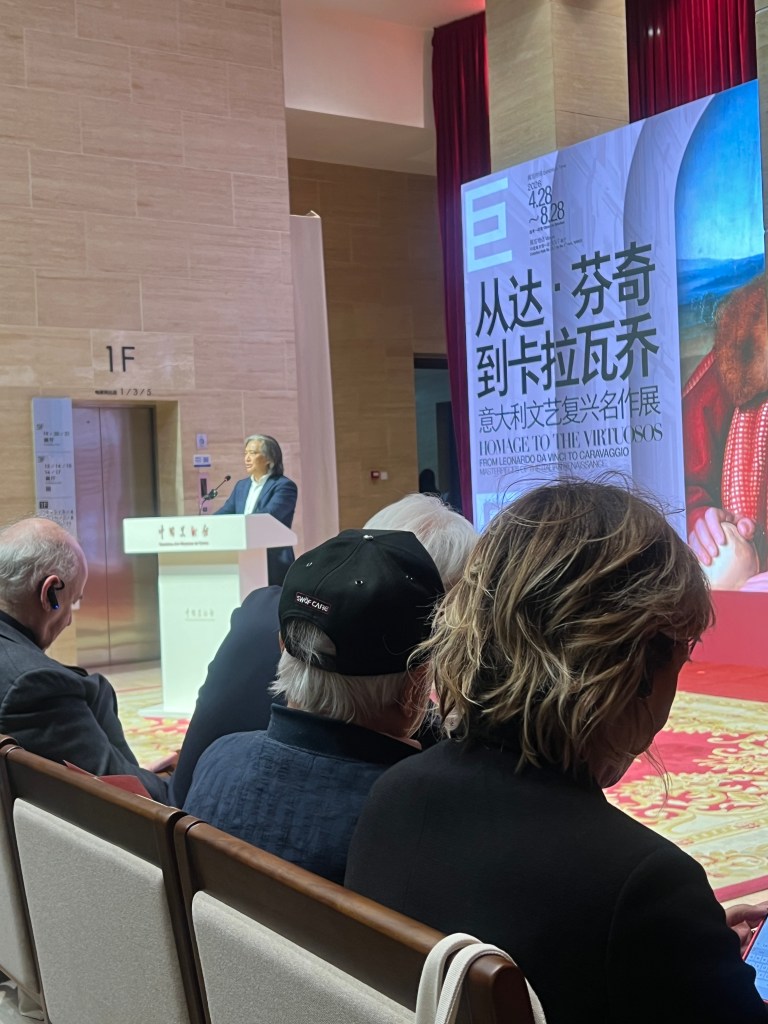
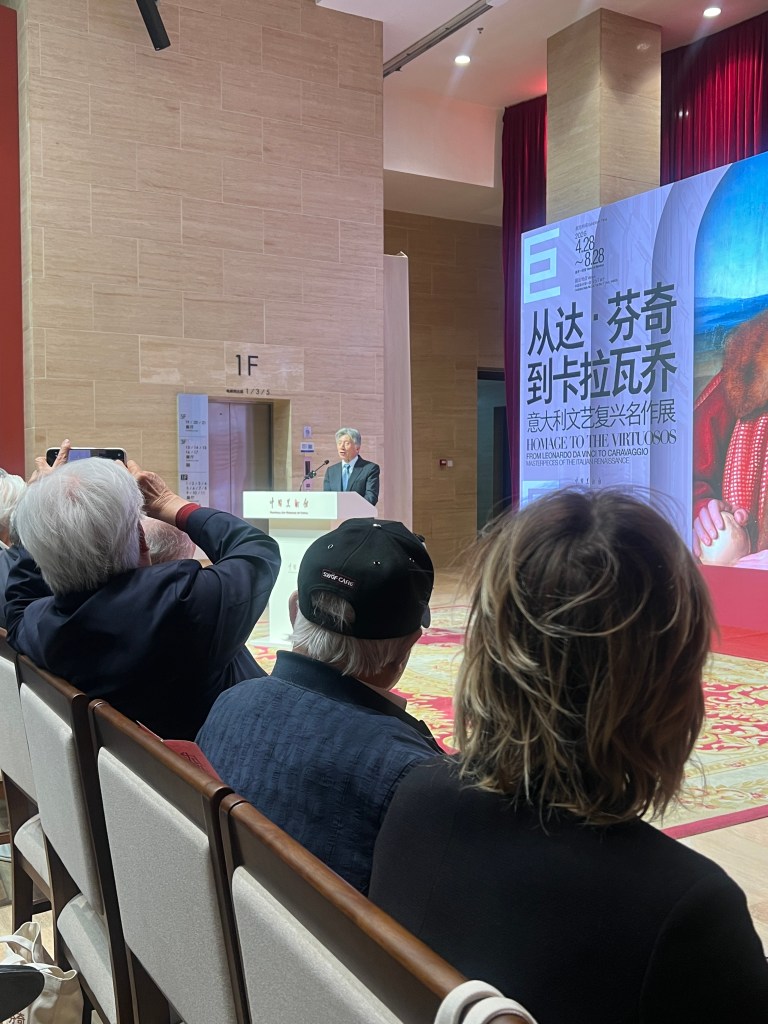
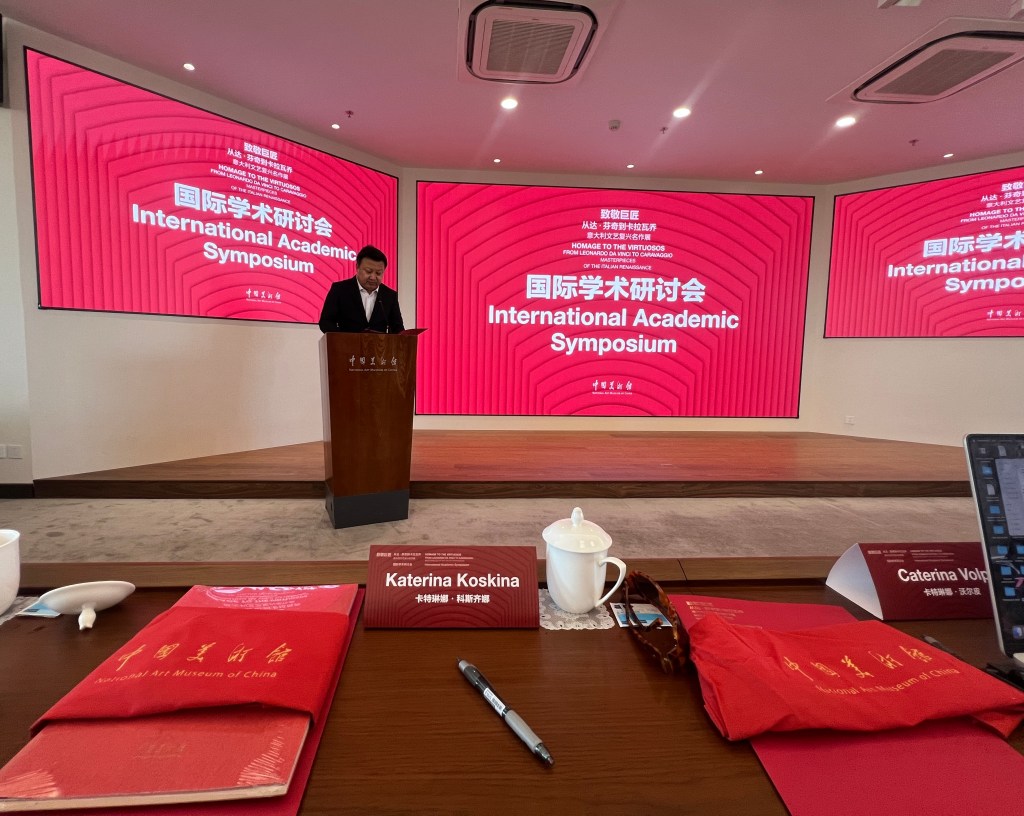
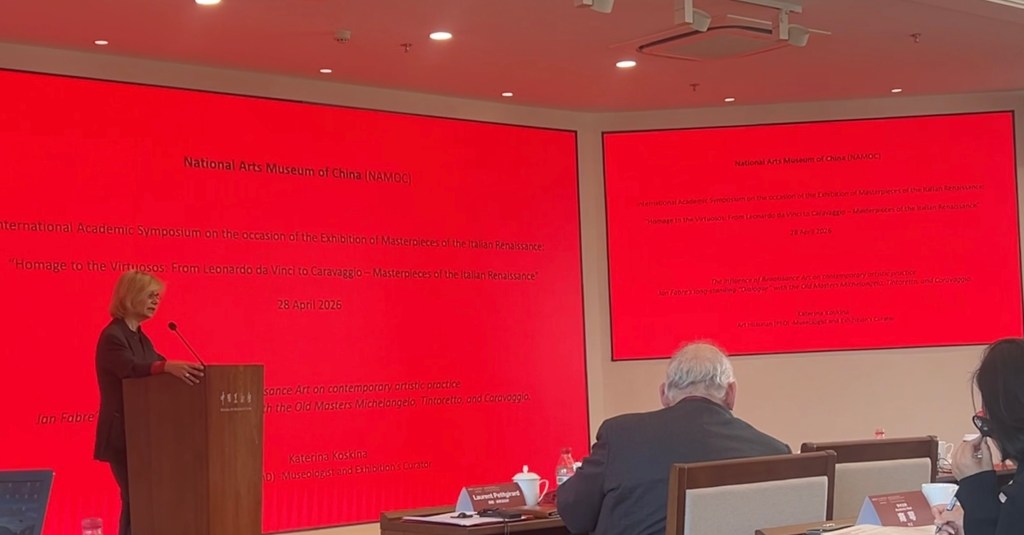
International Academic Symposium on the occasion of the Exhibition of Masterpieces of the Italian Renaissance: “Homage to the Virtuosos: From Leonardo da Vinci to Caravaggio – Masterpieces of the Italian Renaissance
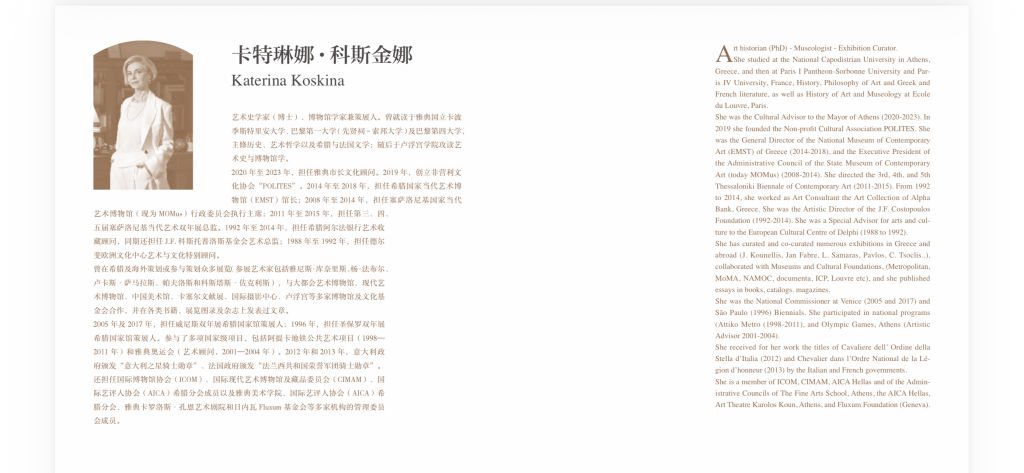
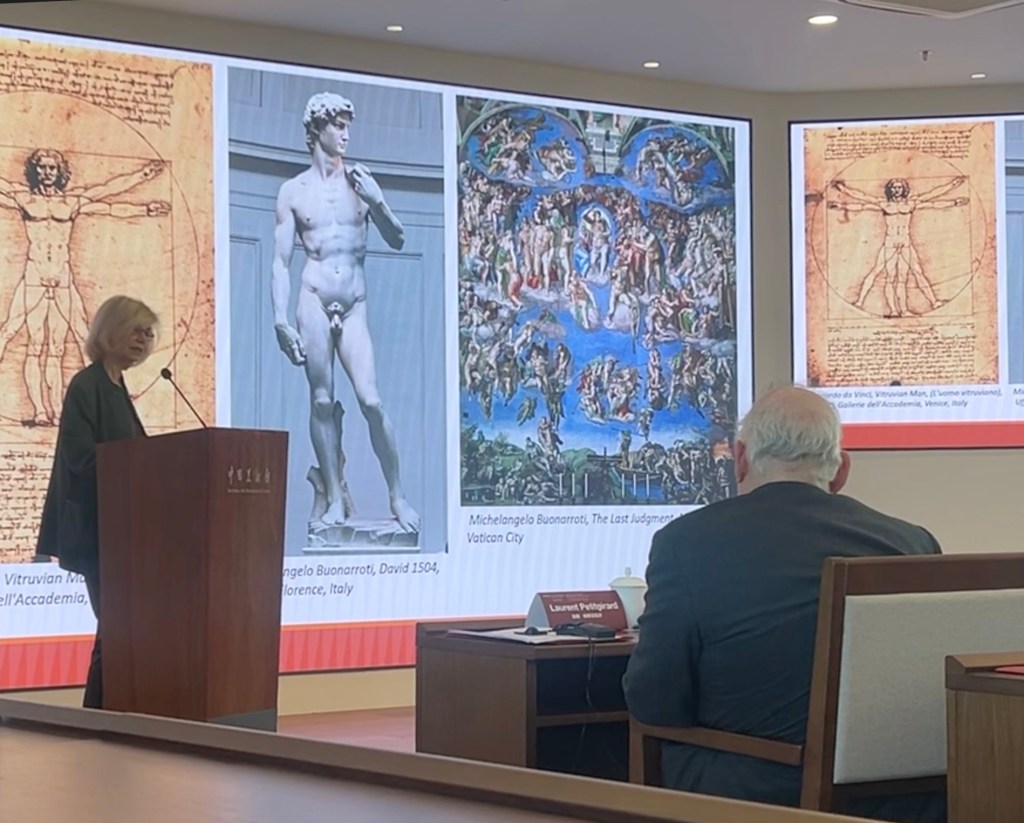
Presentation by Katerina Koskina
Title: The Influence of Renaissance Art on contemporary artistic practice. Jan Fabre’s long-standing “Dialogue” with the Old Masters Michelangelo, Tintoretto, and Caravaggio.
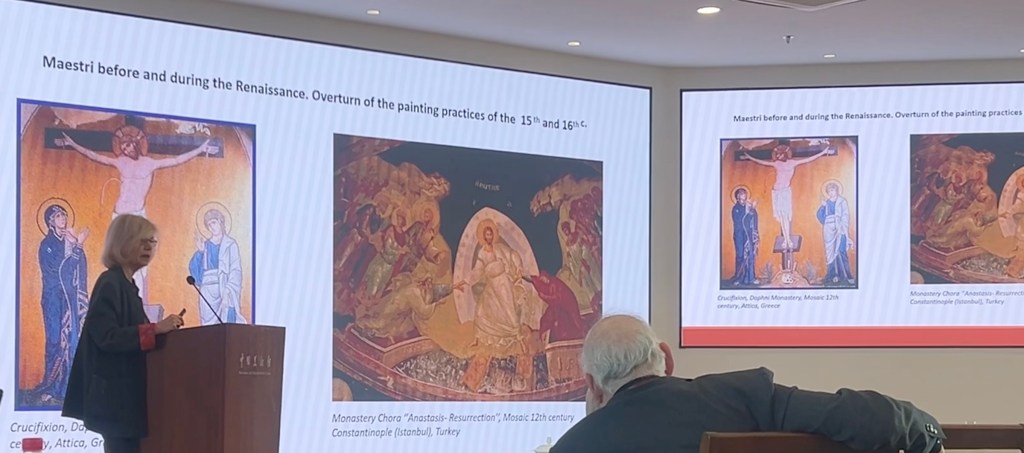
The Renaissance is an important chapter in the history of art, based on the “revival” of philosophical principles, the focus on man and the aesthetics of ancient Greek and Greco-Roman art. The influence of the Renaissance, especially the Italian, on contemporary art is undeniable. Its relationship with contemporary art is not limited to the use of an older stylistic vocabulary, but is mainly about the study and dialogue between the art of the present and that of another era, as a structure of thought and a way of expression. What interests us, however, is not its “copying” for educational or personal purposes or the application of its aesthetic rules. It is primarily the awareness of the continuity of art, as a universal language, and the identification of the imprint it has left on the collective consciousness of artists and viewers. It is also a change of chapter, with the overthrow of the “rules” of the Middle Ages and its indelible legacy in the history of culture. It is a deeply subversive era, which shook the data and shaped the face of Europe and what we call today Western Civilization. It can be characterized as a philosophical, sociological, artistic, political and “humanistic revolution” that faced spiritual, educational and cultural issues, using art with a captivating writing and dramaturgy, highlighting its power, throughout time.
From ancient Greek art, through the symbolic structures of medieval art, to the humanistic and formal innovations of the Renaissance, the historical visual languages of Europe continue to inform and challenge contemporary artists. These periods act as reservoirs of forms, narratives, and philosophical questions, which are reactivated in the modern era through processes of reinterpretation, appropriation, and critique. In Europe, artists such as Jan Fabre among others, engage directly with premodern iconography, spirituality, and materiality, revisiting themes of existentialism, religion, transcendence, and collective memory. This influence extends beyond Europe: artists such as Cai Guo-Qiang and Takashi Murakami draw inspiration from both Eastern traditions and Western art history, creating hybrid visual systems that reflect the global circulation of multicultural images and ideas. In America, artists such as Kehinde Wiley and Bill Viola reinterpret Renaissance portraiture through the prism of identity and power, while Matthew Barney creates hybrid beings that echo ancient mythology.
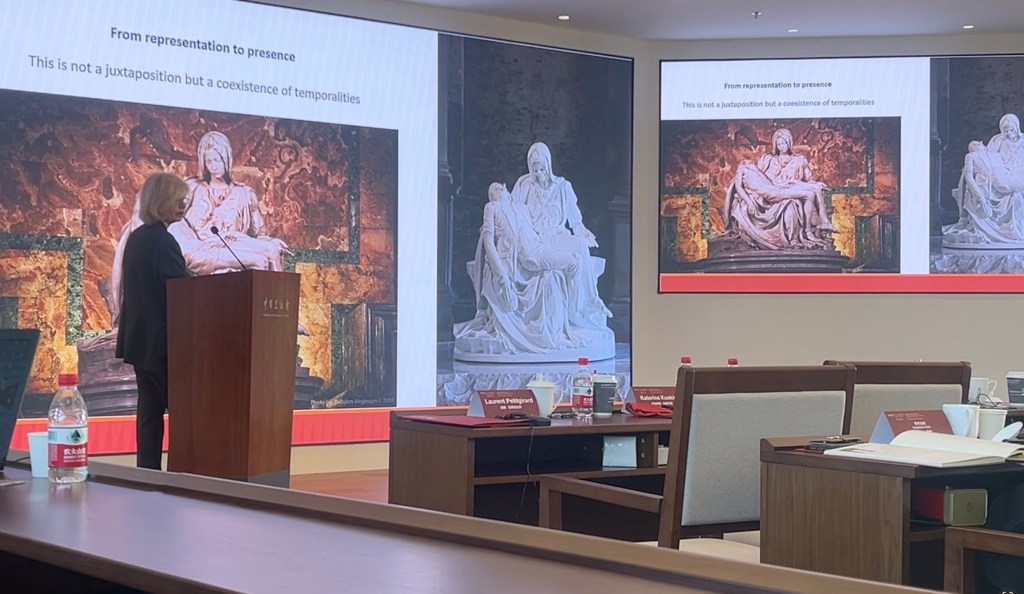
Fabre reinterprets the Renaissance idealization of the human form, as exemplified by Michelangelo Buonarroti, transforming it into a contemporary exploration of endurance, fragility, and transformation. The Pietas (2011) exhibition, presented during the 54th Venice Biennale, curated by Katerina Koskina and Giacinto di Pietrantonio. Conceived as a direct homage to the old master, who he considers as his teacher, he revisited the canonical motif of the Pietà, yet replacing divine serenity with vulnerability and existential ambiguity. Fabre destabilizes the idealized Renaissance body, exposing it instead as fragile, wounded, and subject to time. This earlier engagement with Michelangelo establishes a conceptual framework that continues in this year’s exhibition The Quiet Source, to be inaugurated on May 6, 2026 at Scuola Grande di San Rocco in Venice, in parallel with the 61 Biennale.
In this expanded field, the past ceases to be distant and obsolete and is redefined as an active component of contemporary artistic discourse, shaping new forms of expression across cultural and geographical boundaries.
 POLITES