
Για ελληνικά 🇬🇷 κάντε κλικ ΕΔΩ
The exhibition Thesis-Antithesis-Synthesis. In the Belt of Change was part of the grand international art event titled Tides of the Century – 2020 Ocean Flower Island International Art Exhibition. This pivotal event, organised by the Central Academy of Fine Arts (CAFA) and launched in collaboration with the Ocean Flower Museum, took place in Hainan Province, Southern China. Hainan, a newly established Free Trade Zone, is a strategic point of economic and touristic interest and a beacon of 21st-century technology. Extending in seven museum buildings at The Ocean Flower Island, the exhibition featured 176 works by 95 artists from 24 countries. It was organised by the China International Exhibition Agency (CIEA) of the China Arts & Entertainment Group (CAEG), affiliated with China’s Ministry of Culture and Tourism. Greece, chosen among several European countries for this honour, was selected based on the curatorial proposal led by Dr. Katerina Koskina, PostScriptum and AMKE POLITES.
Conceived and launched under the challenging conditions of a global pandemic, this exhibition represented a remarkable achievement. It was curated and installed remotely through continuous teleconferencing between the curatorial team and the production teams in China—a testament to the feasibility of remote artistic collaboration on a global scale. Given the exhibition’s scope and the logistical complexities involved, this initiative might very well be considered a global first.
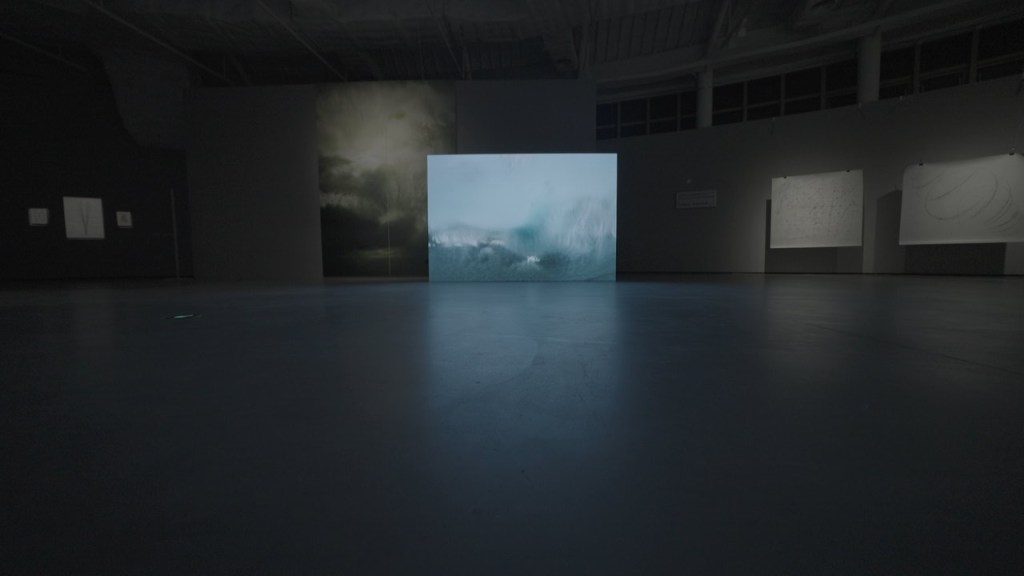
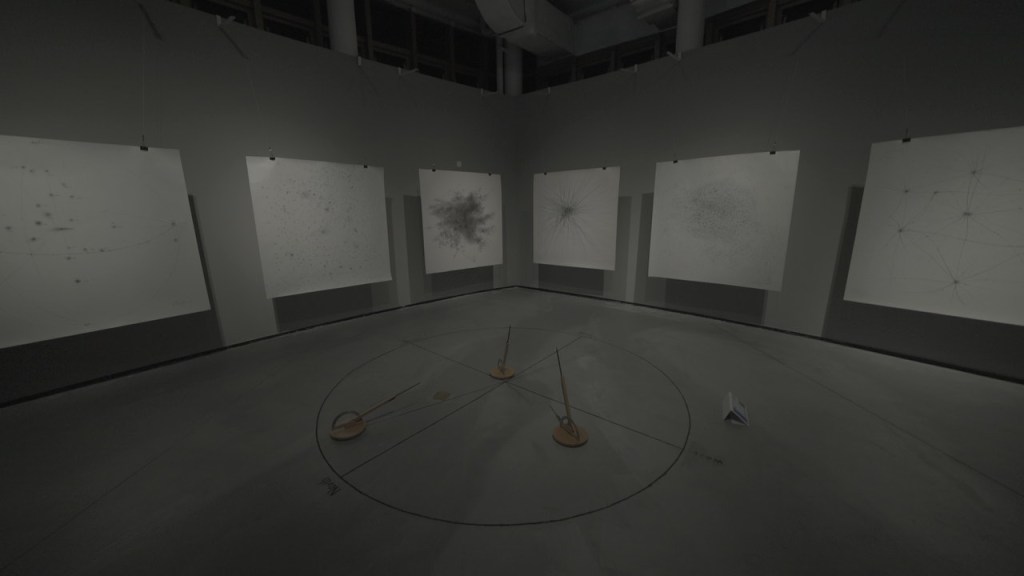
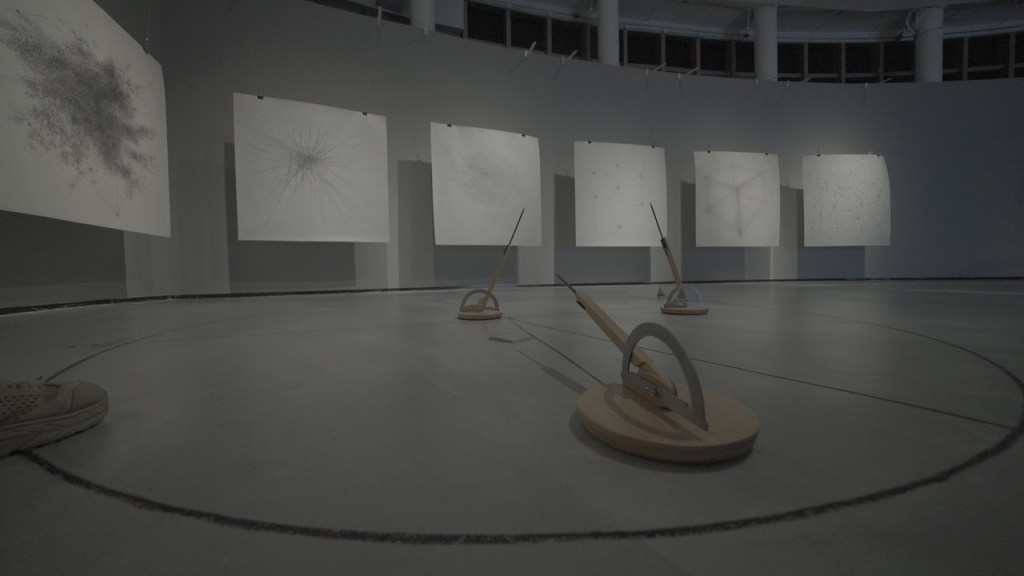
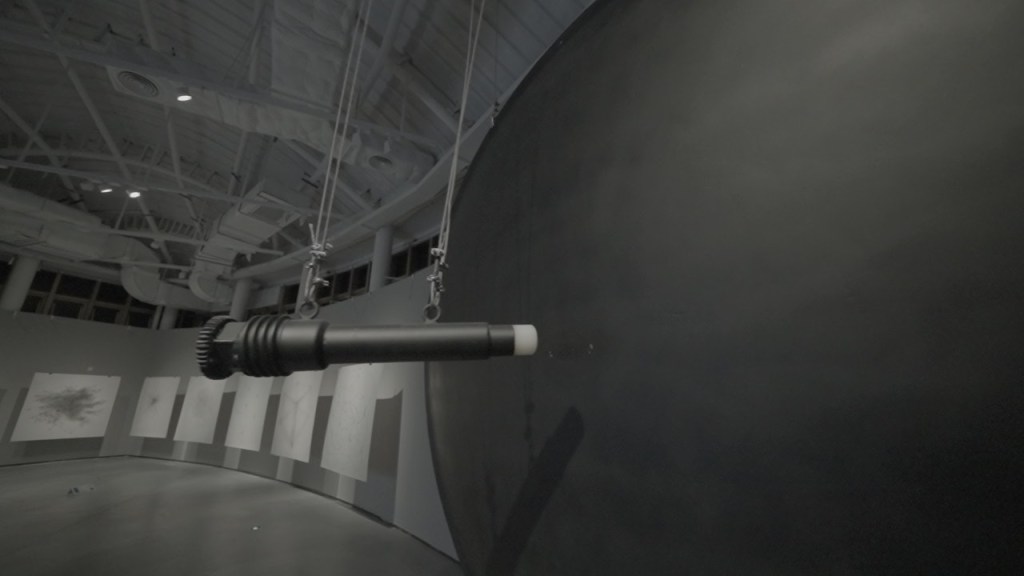
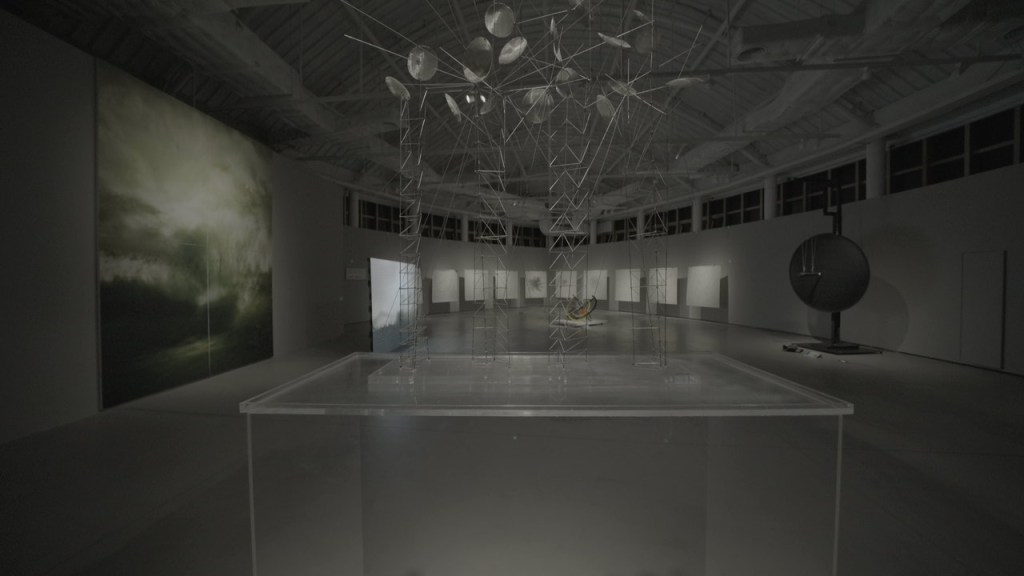
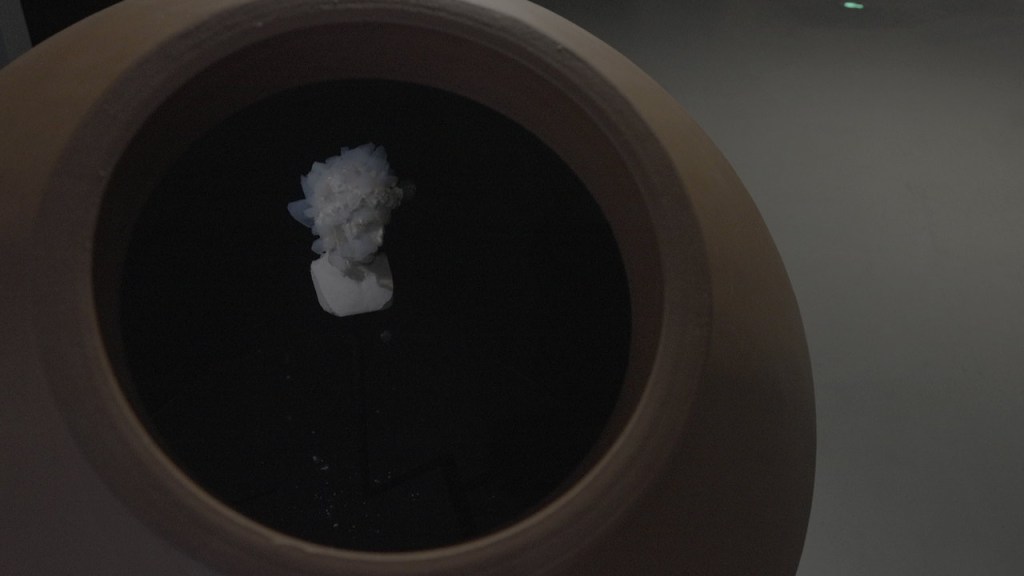
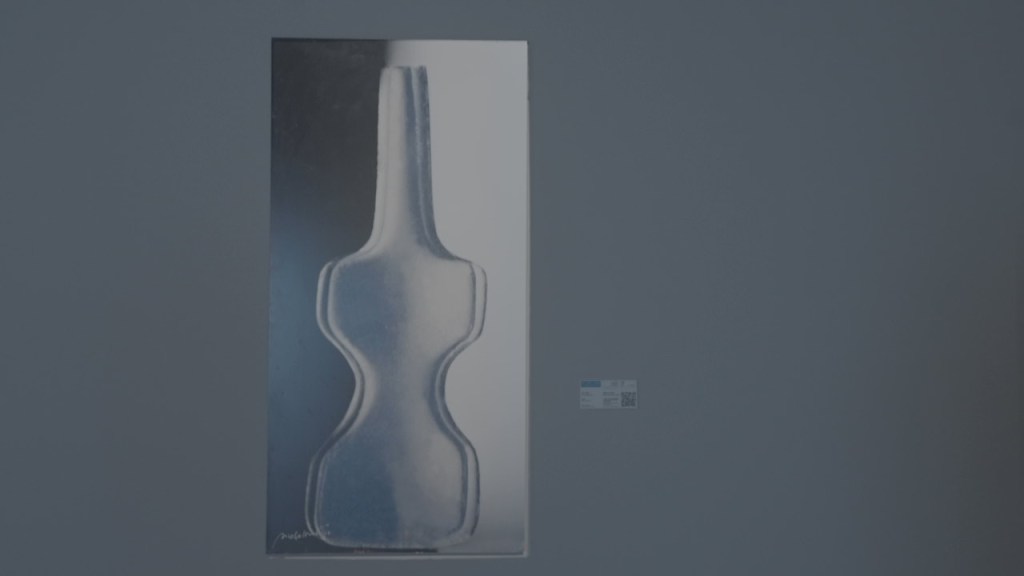
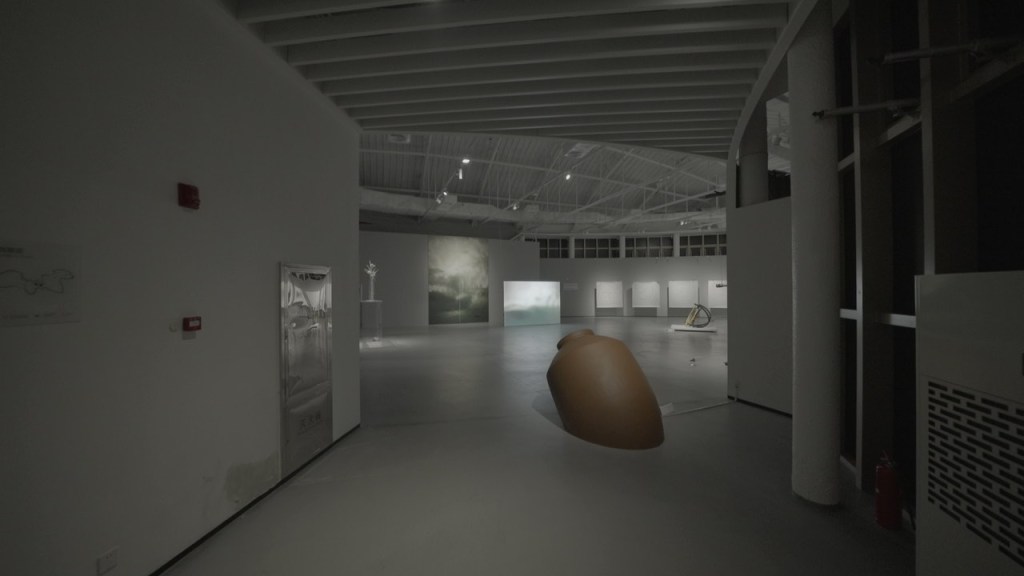
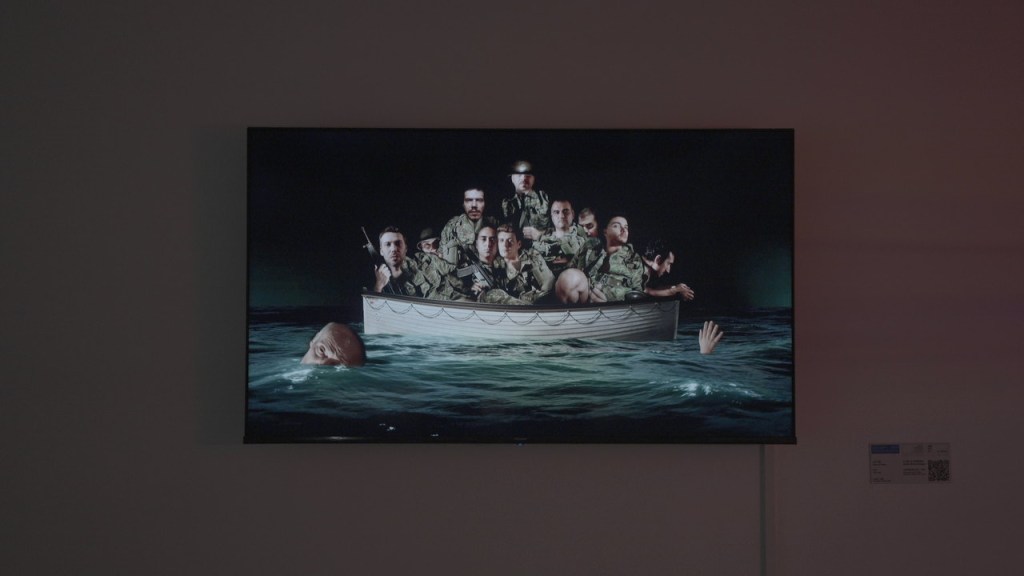
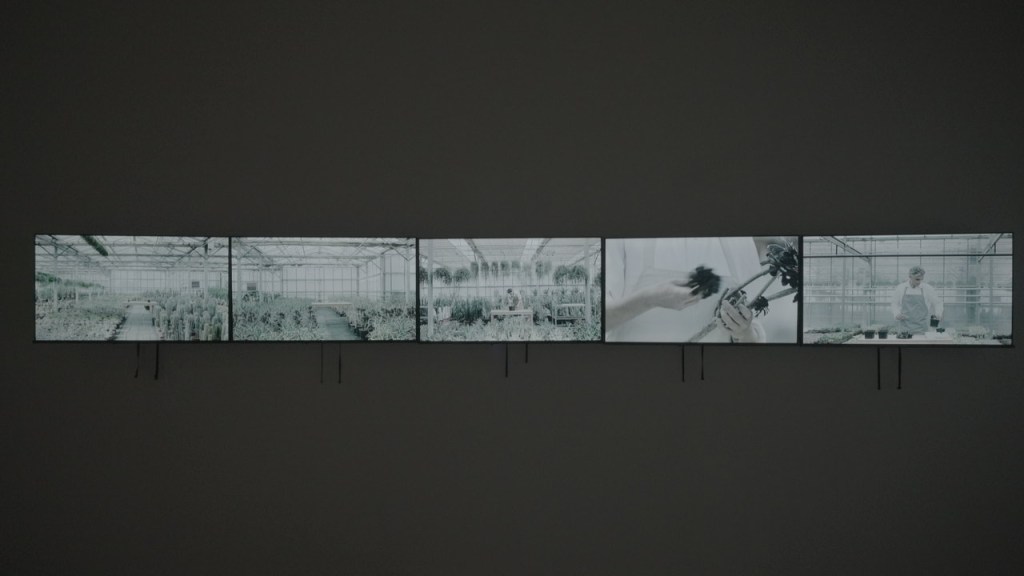
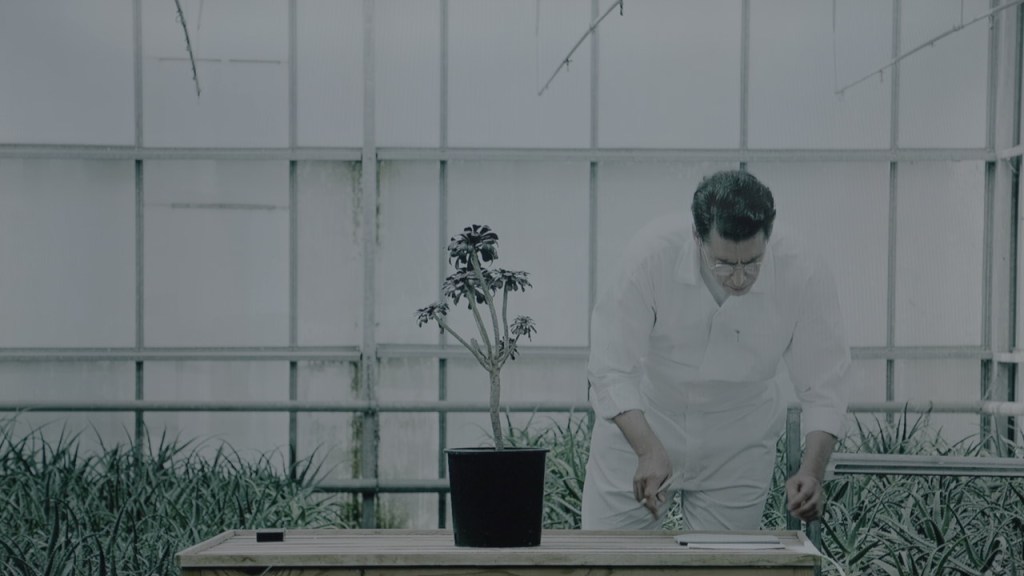
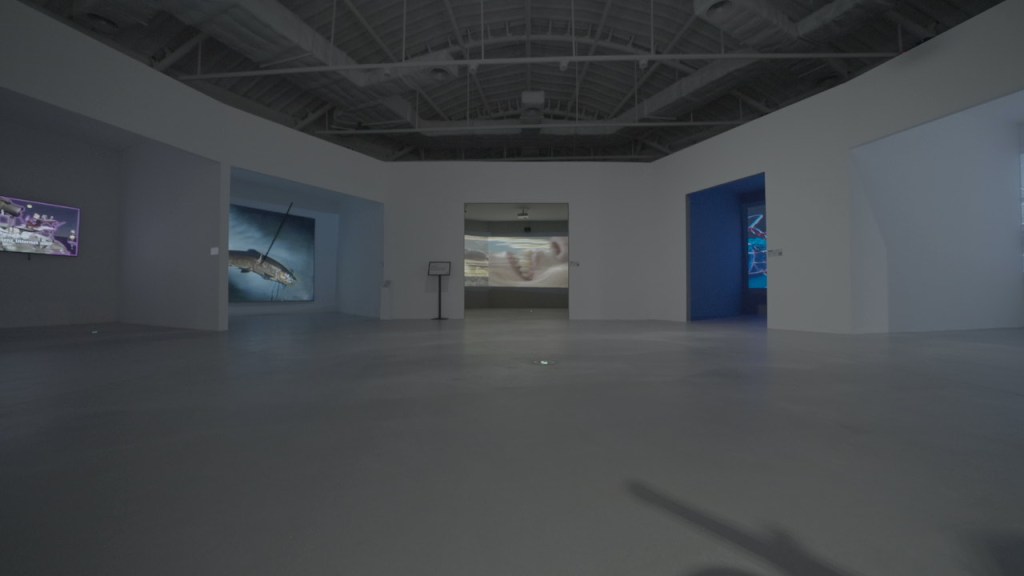
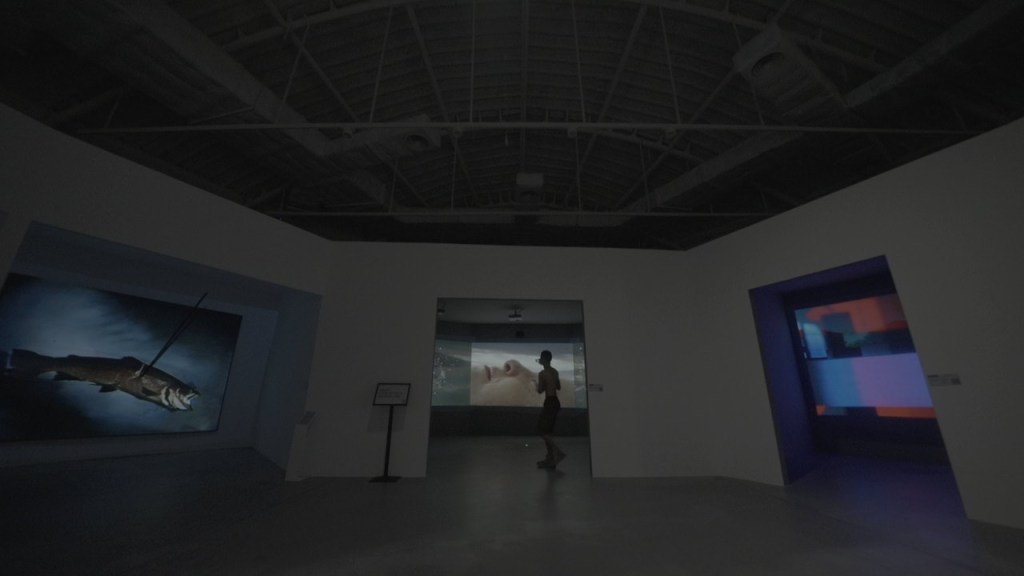
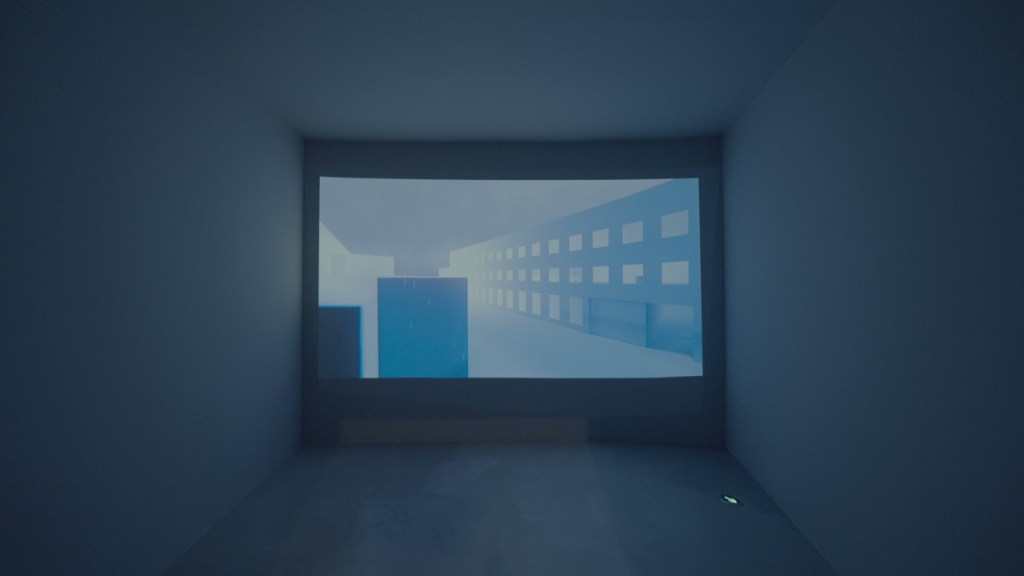
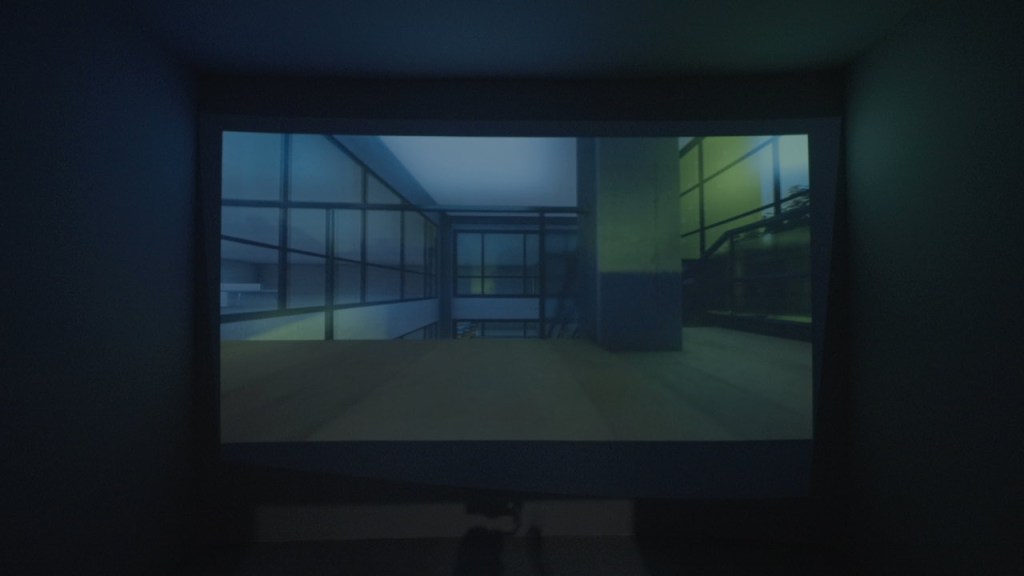
The Greek exhibition was hosted in Building No.6 which was fully dedicated to Greece, bringing together an eclectic selection of more than 50 works (sculptures, installations, videos, multimedia works, and digital art) by 34 contemporary, pioneer Greek artists or artists of Greek origin as well as emerging artists working with the use of latest technologies.
Exhibition concept: Since antiquity, Greece is acclaimed as an open society and culture, where ideas flourish and flow. Dialogue has been the basis for communication with others as well as the cornerstone of all achievements of Greek culture including philosophy, science, art, theatre and democracy. Few countries are comparable to Greece in terms of culture-sharing through dialogue and cultural interaction. As stated by the Curator, Dr K. Koskina, “the theme of the Greek Pavilion exhibition, “Thesis-Antithesis-Synthesis. In the Belt of Change” arose from the common belief that the ancient Greek and Chinese civilizations, which have defined and shaped cultures beyond their borders, shared many common elements in their quest of understanding the World. For both cultures, the World was not limited to the physical earth or the natural world but encompassed the much wider, complicated, incomprehensible but harmonious structure of the World or Universe. The Greek exhibition was structured on the discursive method, where the flow of time and change was expressed in three stages of development, “Thesis – Antithesis – Synthesis” rooted in Ancient Greek philosophy, particularly the Socratic obstetric method. Besides, it conveyed to the visitors the ancient Greek idea of endless movement which drives humanity to engage with change, an idea close to the notion of Yin and Yang in Chinese philosophy and cosmology. This triadic approach of Thesis-Antithesis-Synthesis. In the Belt of Change represented our perspective in creating this Exhibition and was aligned with the architecture of the building, divided in halls. The Exhibition was designed as an immersive experience for the public to imagine histories and futures, as well as to highlight the concepts of interaction, dialogue and fluidity.”
The Greek exhibition was under the auspices of the Ministries of Culture and Sports, Foreign Affairs, and Tourism of Greece, as well as the Municipality of Athens. It was also under the auspices of the 2021-2022 Greece-China Year of Culture and Tourism, which was been extended into spring 2022. To enrich the Greek participation with new artists utilising contemporary technology, the Athens Digital Arts Festival (ADAF) was invited to contribute, adding 21 more artists. The museum, inaugurated with our exhibition, dedicated space to the promotion of Greece’s contemporary culture and tourism, showcasing a vibrant and dynamic engagement with global cultural dialogue.


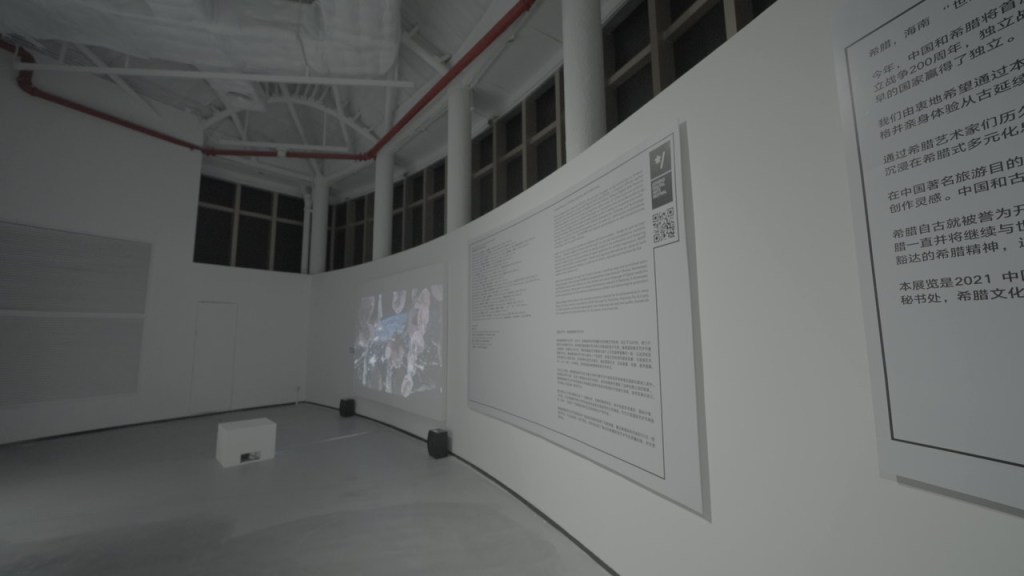
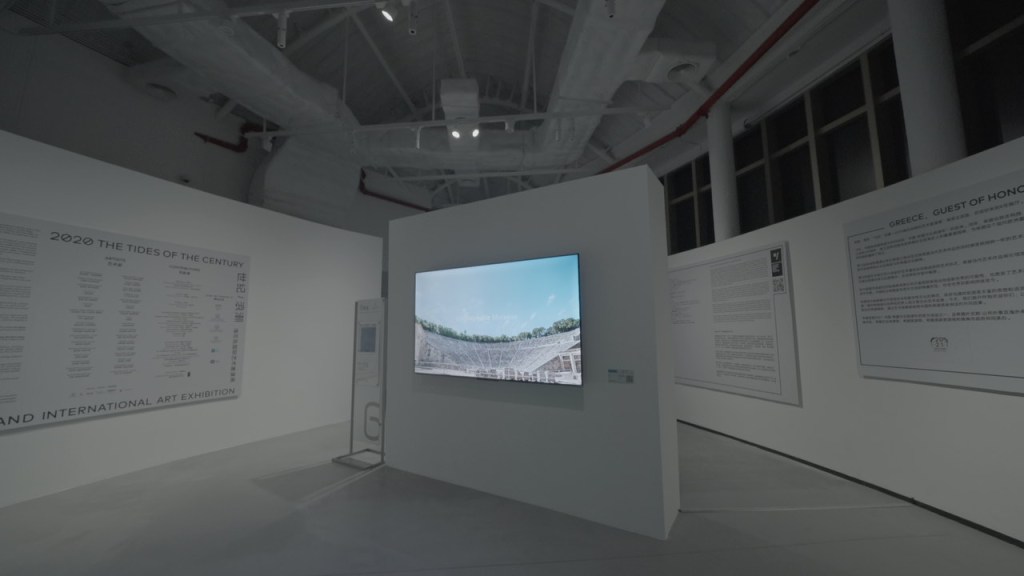
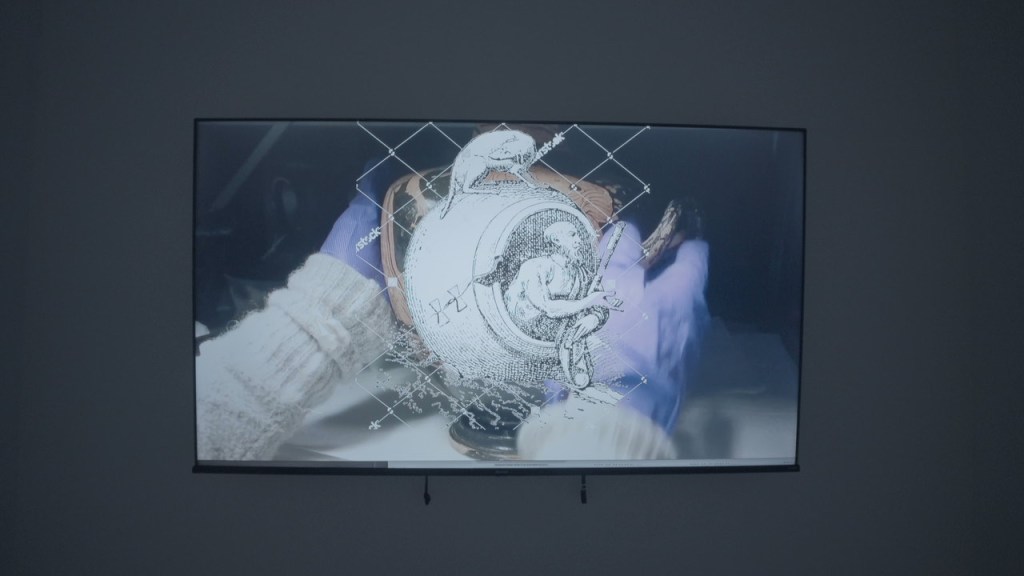
Prior to the three main spaces of the exhibition we wanted the visitors to meet Greece, and its cultural and touristic advancement and Athens Digital Arts Festival, a festival that exists for the past 10 years, to show the works of artists exploring the digital world unfortunately because of covid-19 we were unable to showcase VR and immersive technologies practiced by ADAF.
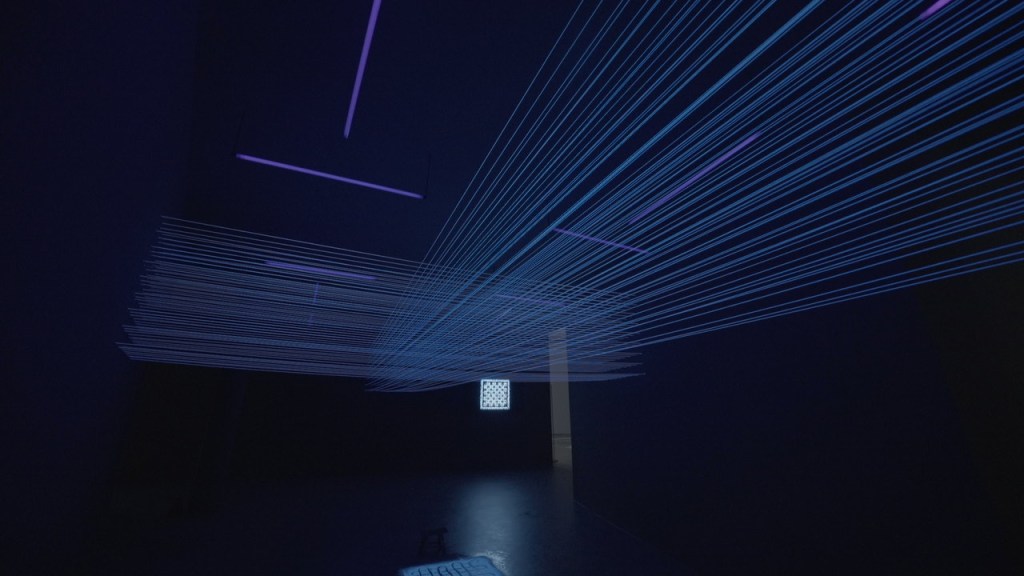
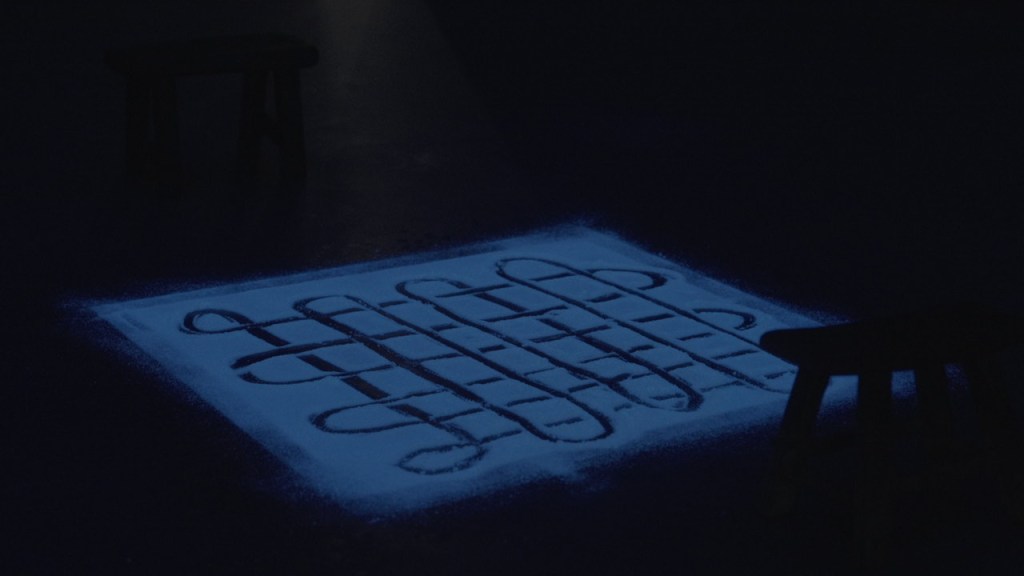
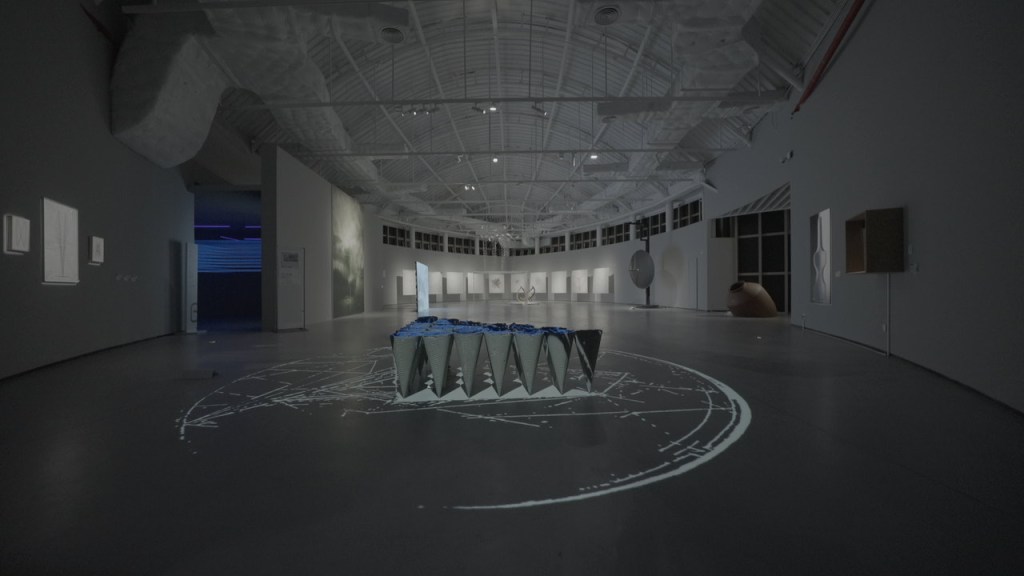
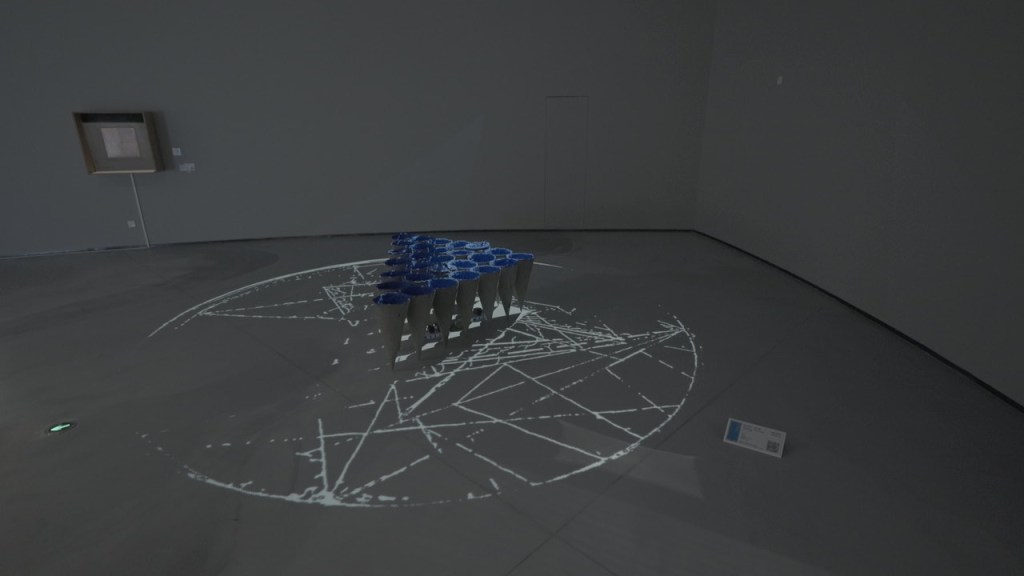
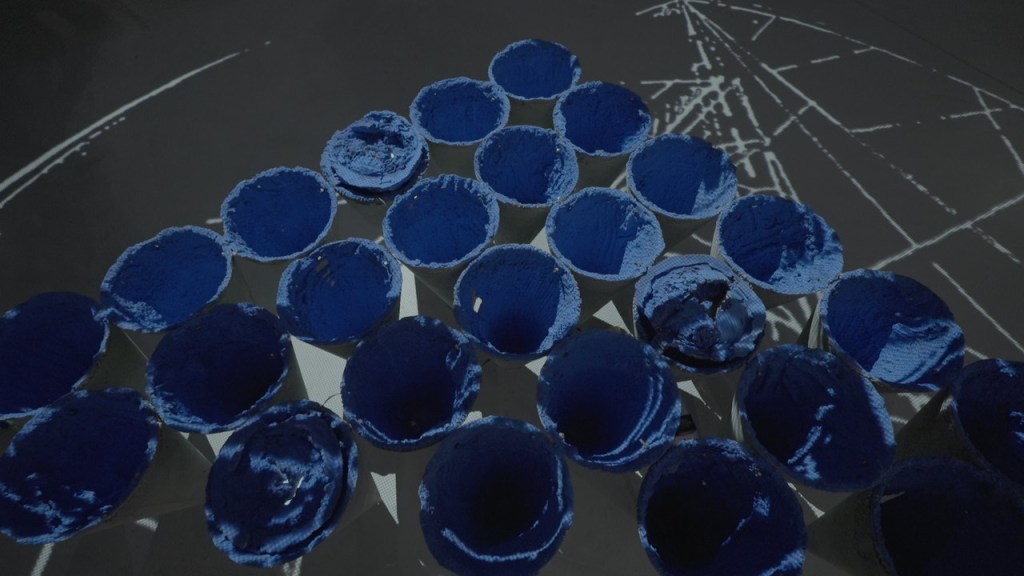
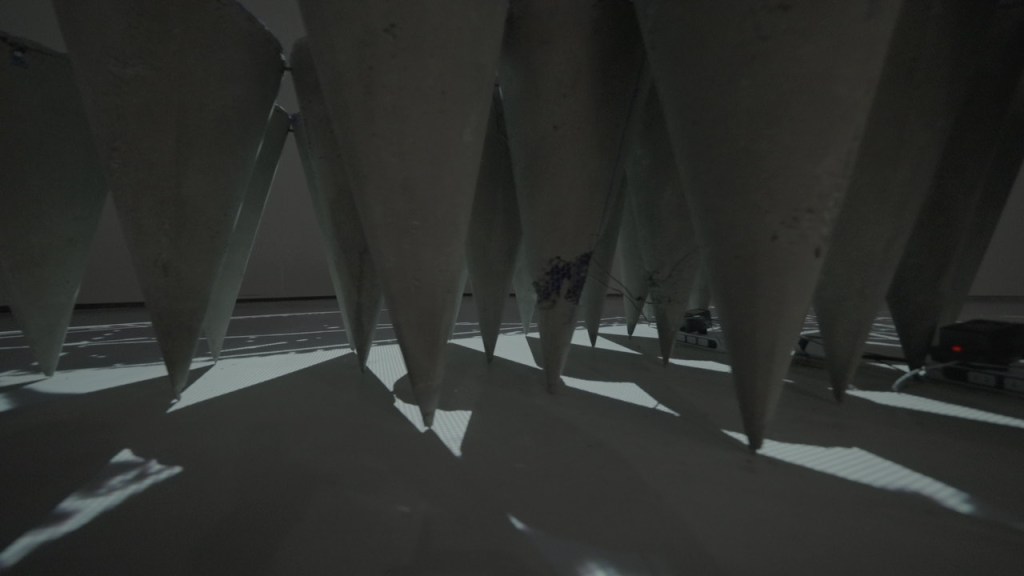
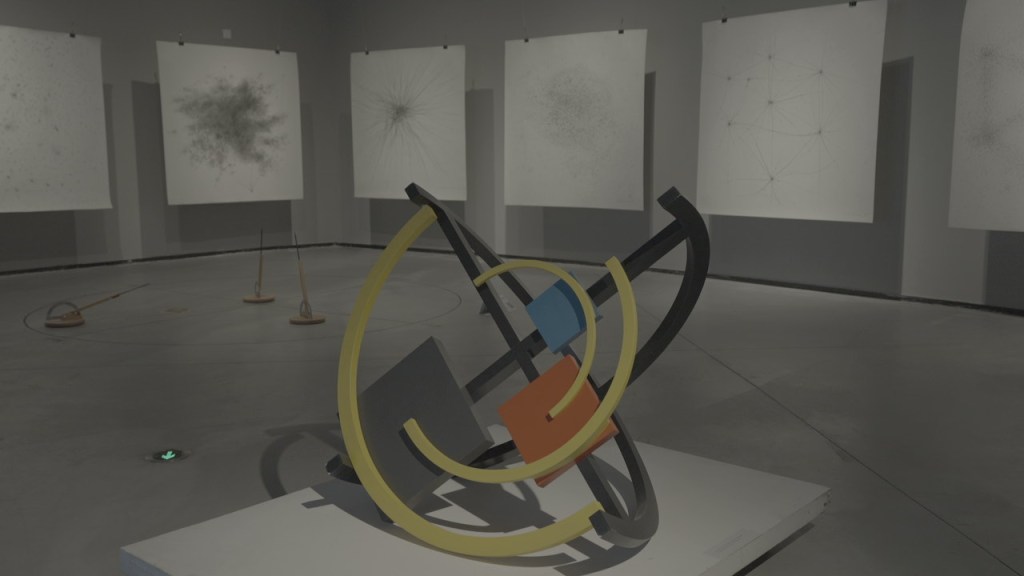
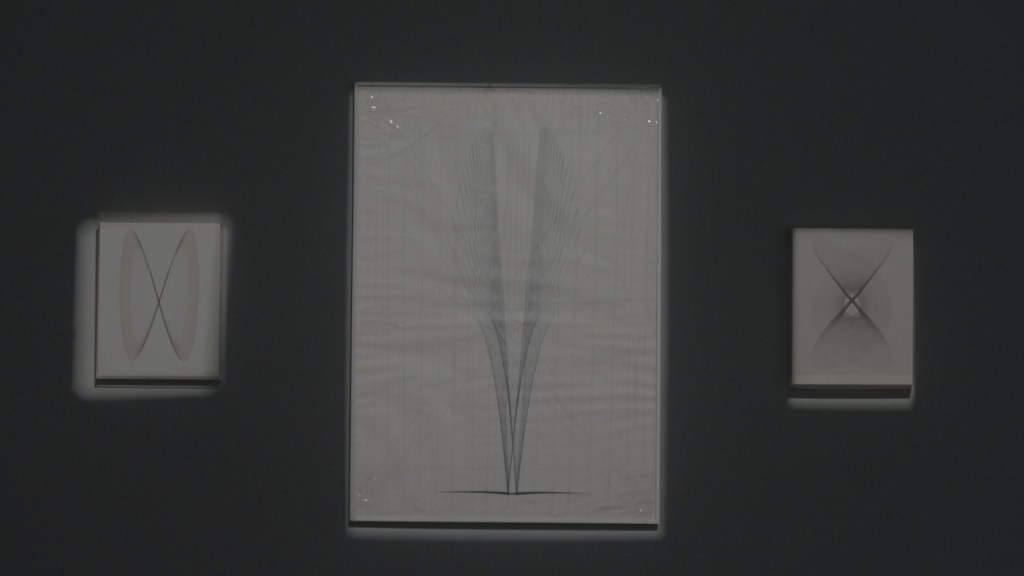
Aimilia Papaphilippou’s work ‘Chess Continuum’ which is a tribute to the balance between chaos and order is the passage and introduction to the concept as well as the exhibition. Space B is titled Artistic endeavours: Science and the Cosmos. In this space the visitor can explore and engage with the gestures towards the cosmos, how artists engage with natural forces, kinetics, sound and computer technology. Pioneering artists explore the universe, Takis, Nausica Pastra, Zongolopoulos, Theodoulos, Dimitris Tragkas, and Pantelis Xagoraris, one first artists in Europe to use computers to create art.
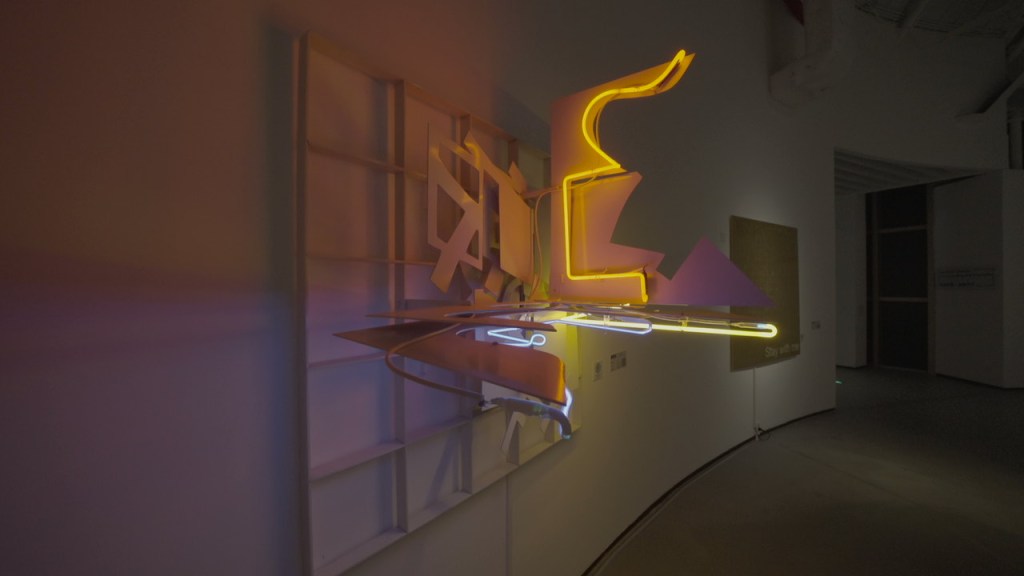
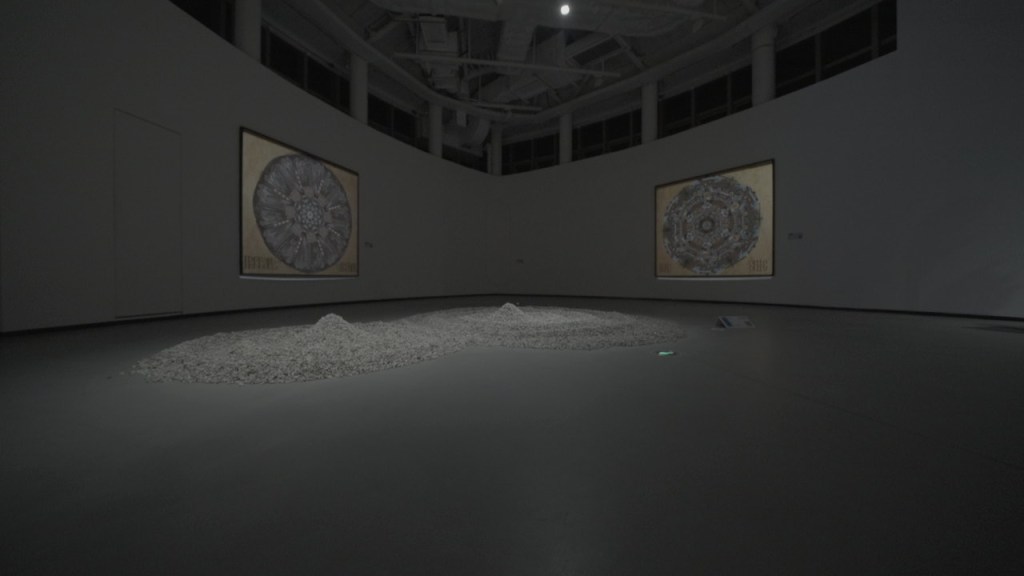
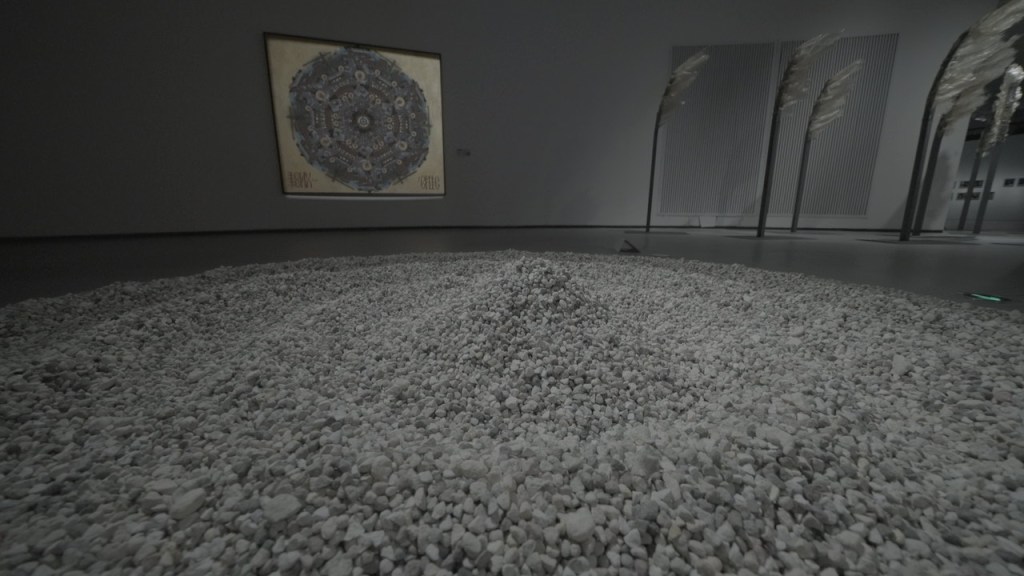
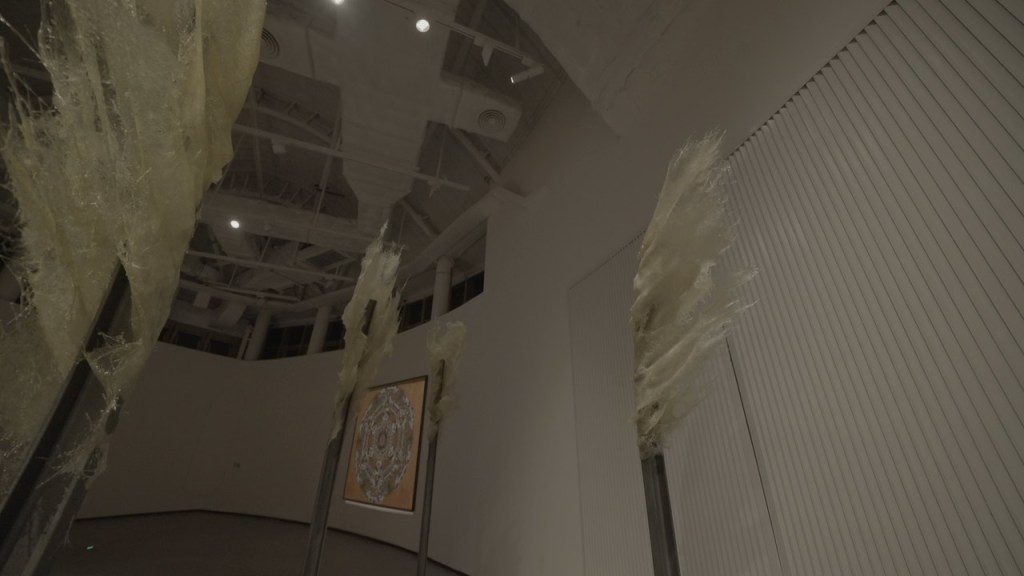
Moving from the world of science and the universe into the world of spirituality, in the Space C titled Spiritual Quests: Transcending the Everyday, we can observe a more esoteric journey to a more esoteric, journey of translating the everyday experience and the spiritual quest of the artists’ interaction with their surroundings. Artists like Stephen Antonakos, Chryssa, Stelios Faitakis among others pave the way for streetlights form sculptures, industries are depicted in Mandalas with Byzantine religious painting and recalls of the Chinese monastic gardens, enter the artistic discourse attempts to bring these journeys of the self into the light.
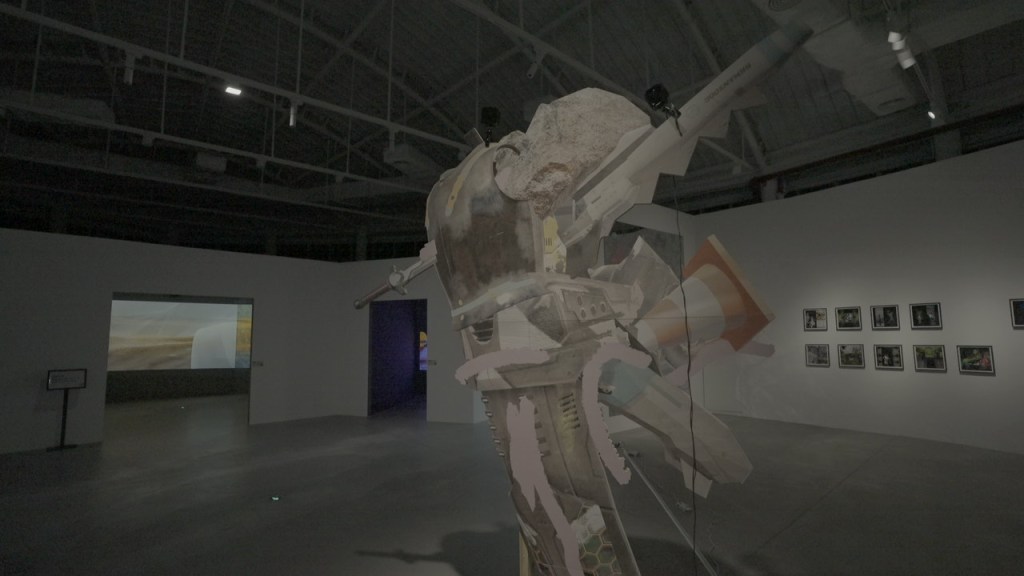
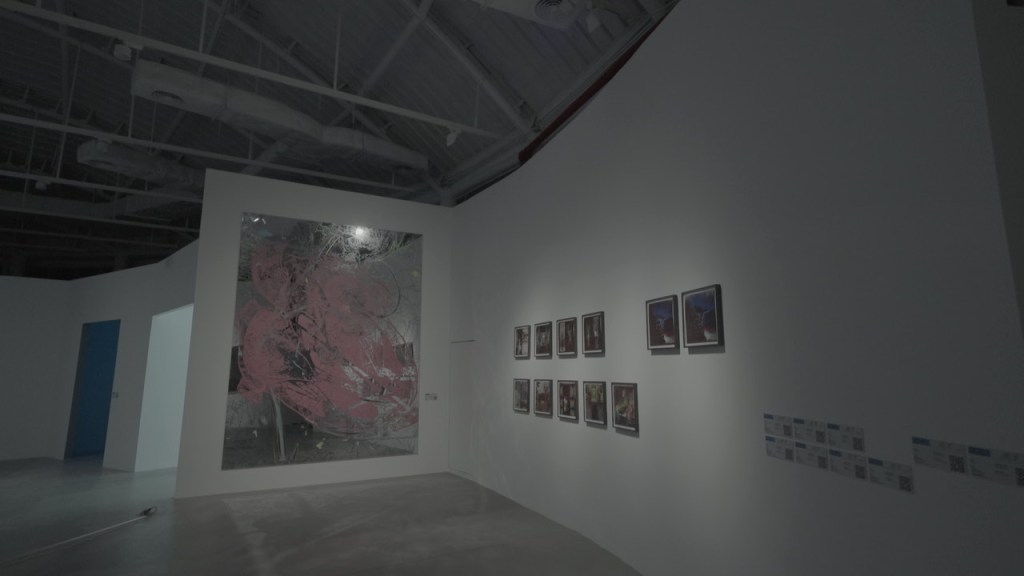
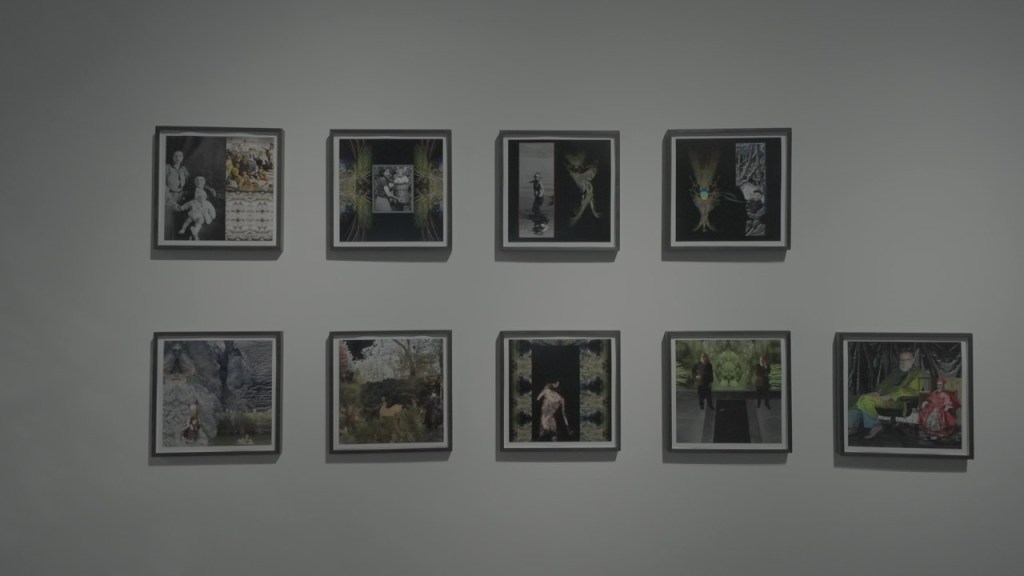
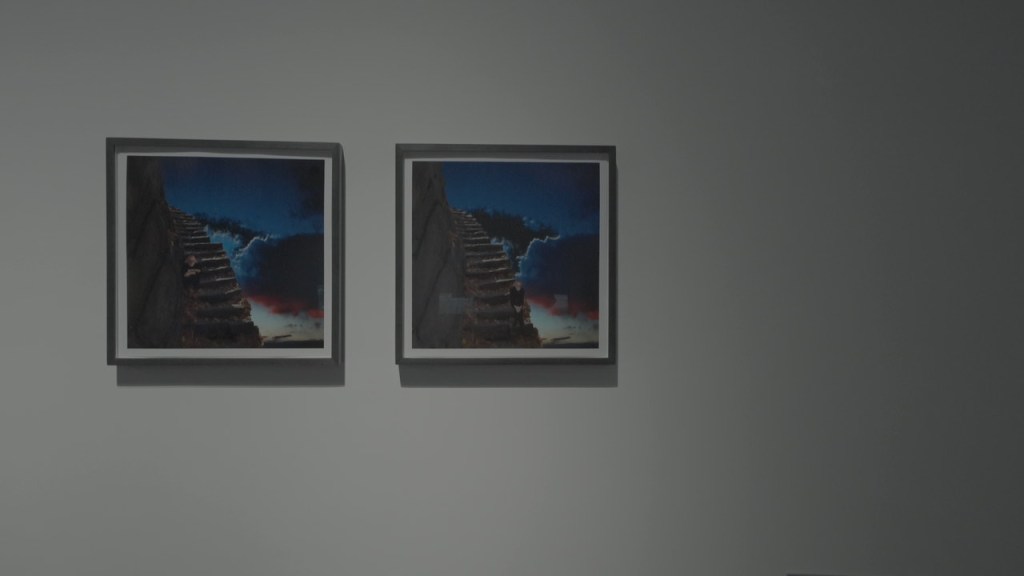
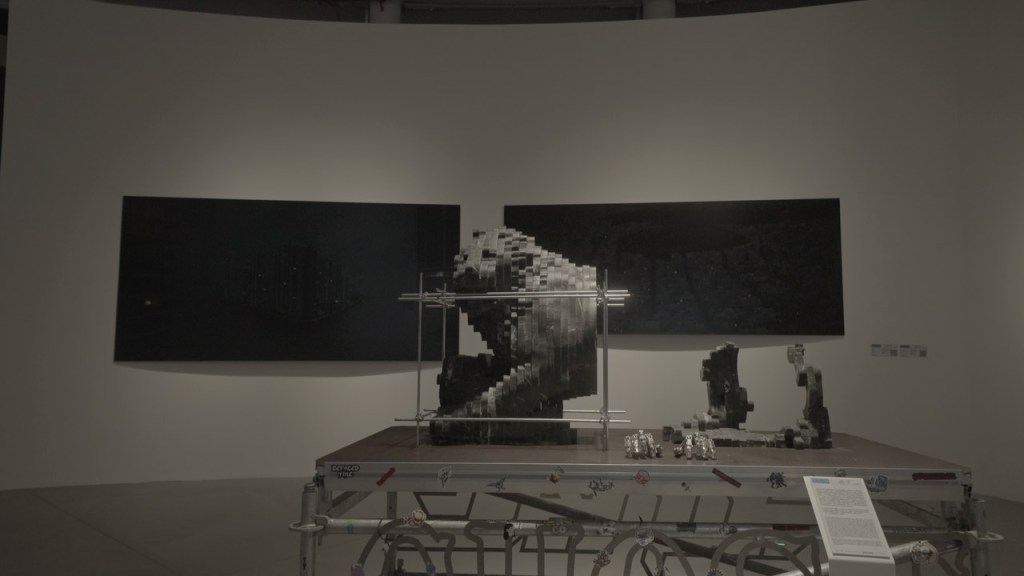
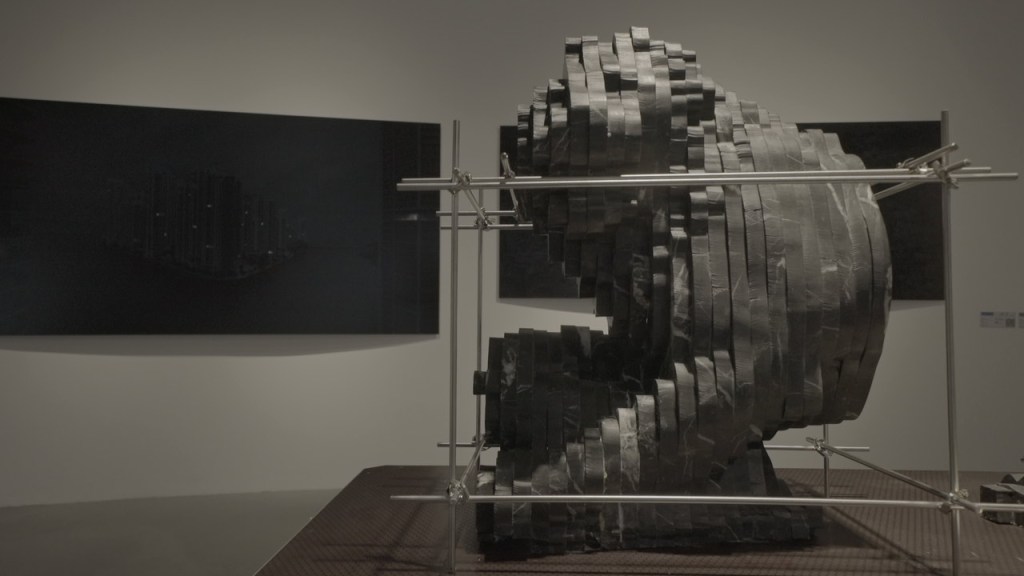
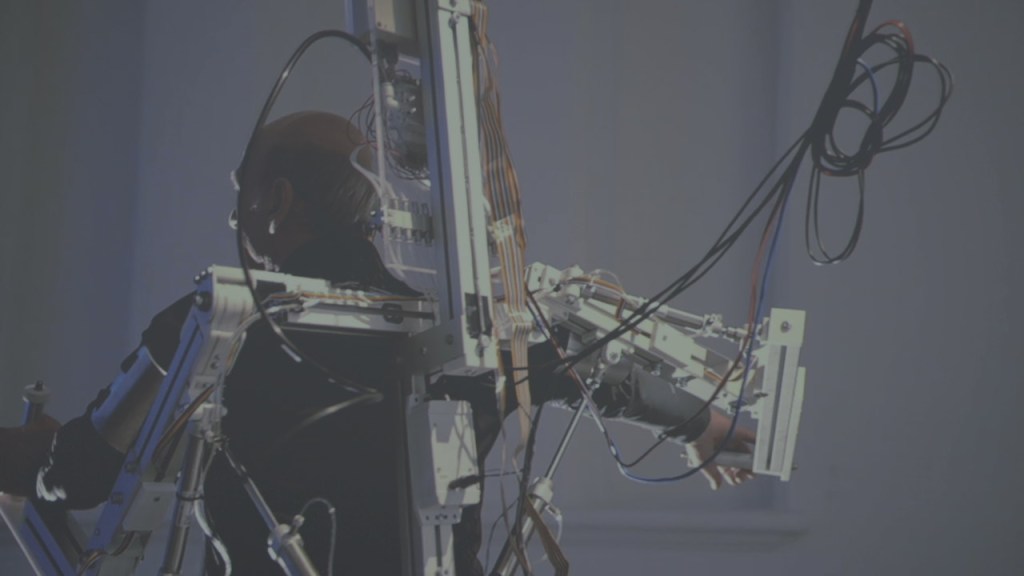
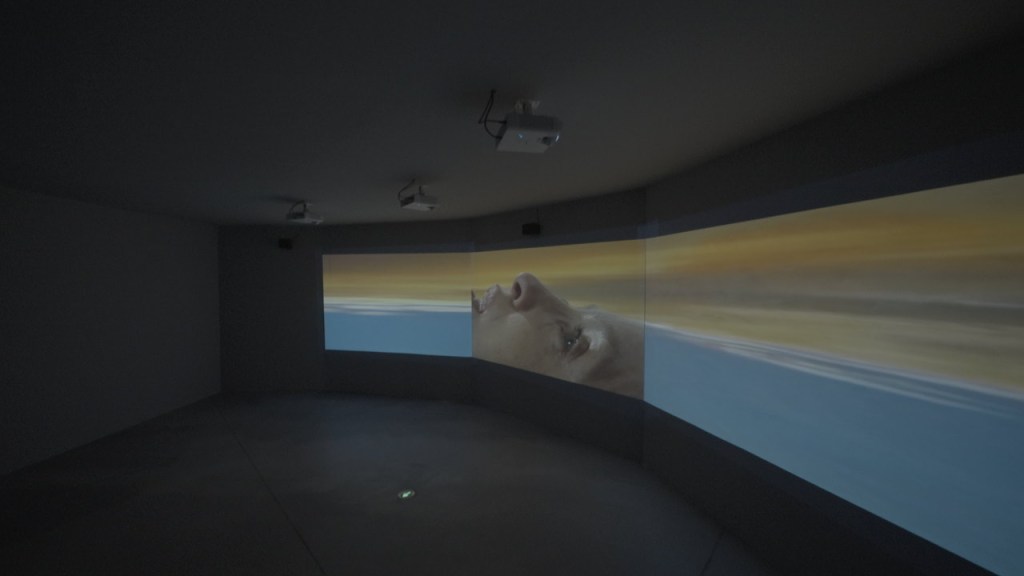
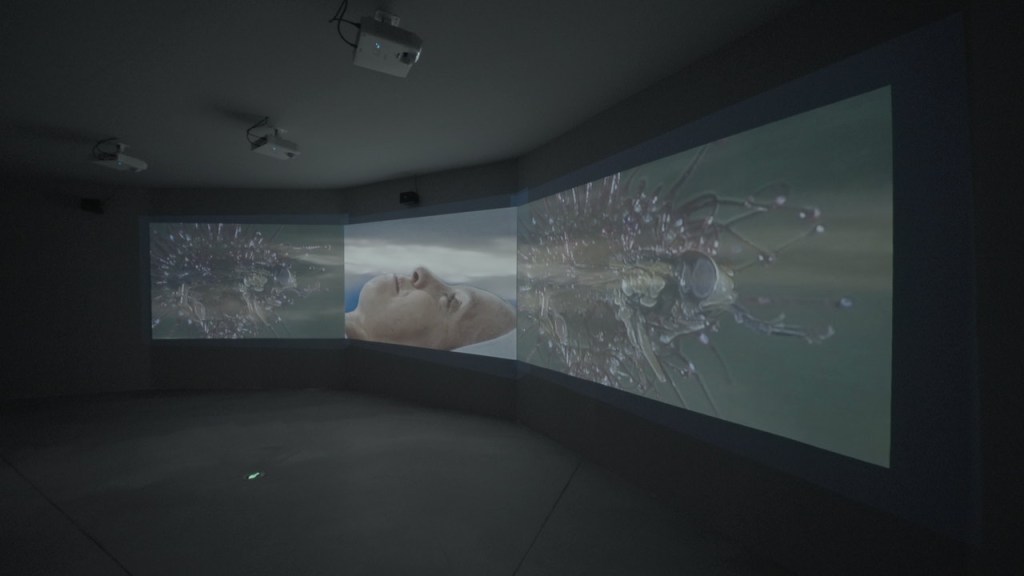
In the last space, Mythologies in the present, Mythologies of the future, one can see artists, engagement with technology, machines, robotics, the urban and post-humanism but at the same time we can observe artists placing the body and the self at the core of their work. Technologies of nature, and the body as a work of art mediated by various mediums. Artists are looking into the present and the past, while trying to find themselves in their histories, translating and interpreting the past into the present. Pioneering works of Lucas Samaras and Stelarc, young practitioners like Theo Triantafyllidis and Petros Moris, engage in a dialogue with futurity, digital and analogue worlds looking into the future while sustaining the element of the myth.
Tradition and technology should not be placed as conflicting but instead we should be called through art, to see how these relationships have existed, have been and will be dealt in the fields of sculpture, painting, new technologies and film.
Last but not least, the exhibition Thesis, Antithesis, Synthesis: In the Belt of Change acknowledges its very surroundings. An exhibition that was installed remotely, while Greece was and is in lockdown, we take into account the importance of looking into the global and the technological advancements that guide us through this pandemic. The Ocean Flower Island, landmark of the need of humans to create and build new worlds, a man-made island looking into becoming a cultural and touristic landmark, demands from us to imagine together a shared future, it gives room to the human desire for entertainment and culture.



 POLITES