Για ελληνικά 🇬🇷 κάντε κλικ ΕΔΩ
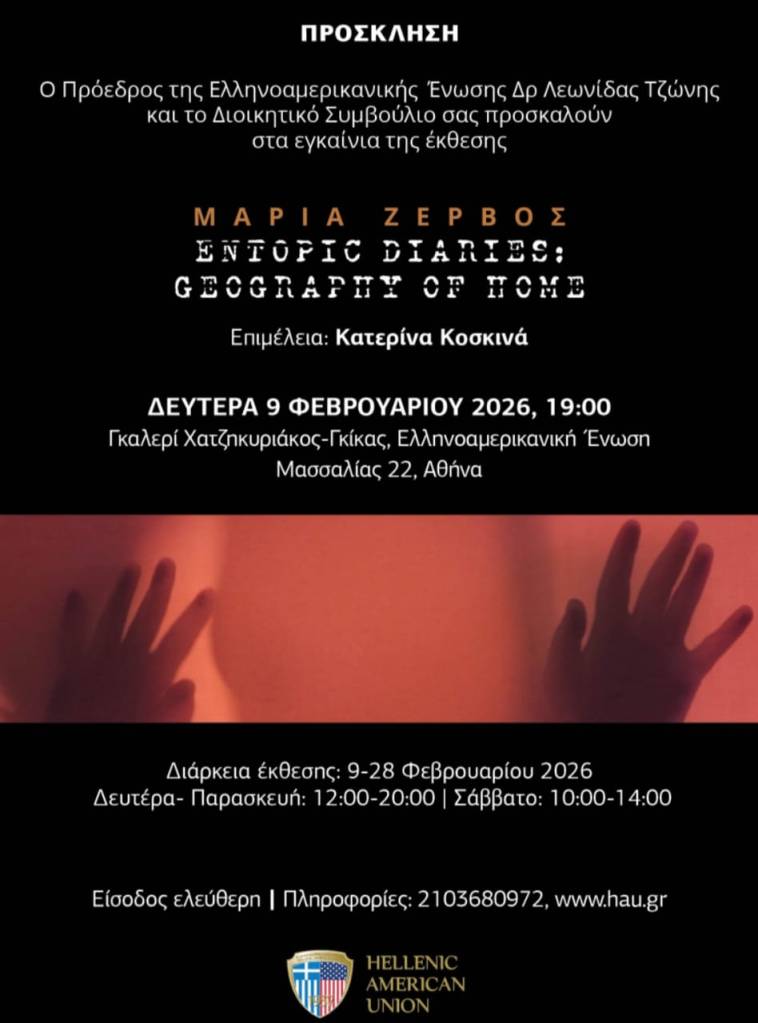
Chatzikyriakos-Ghika Gallery, Hellenic American Union (22 Massalias Street, Athens, Greece)
OPENING: 09/02/2026, at 19:00, Duration: 10/02 – 28/02/2026
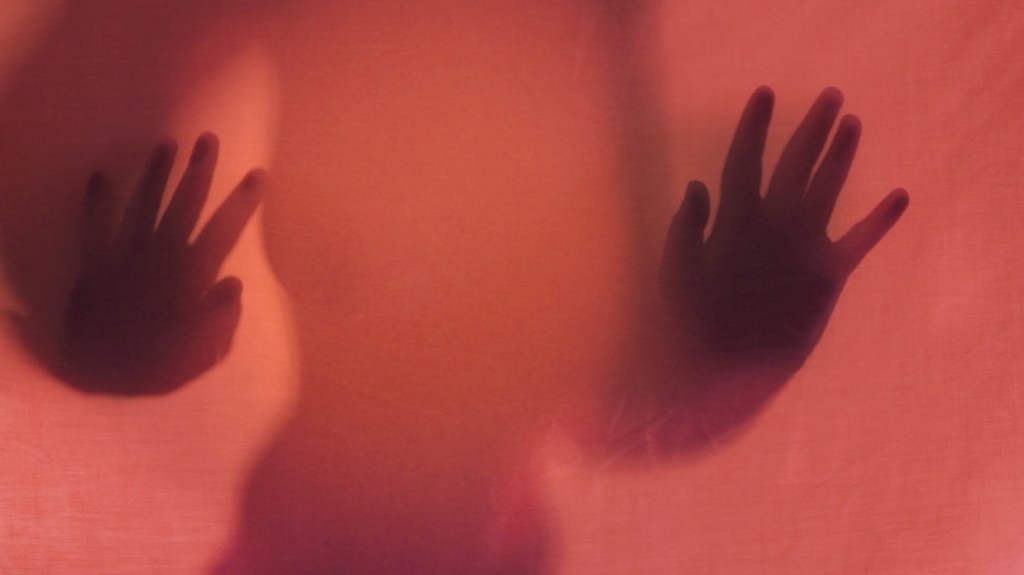
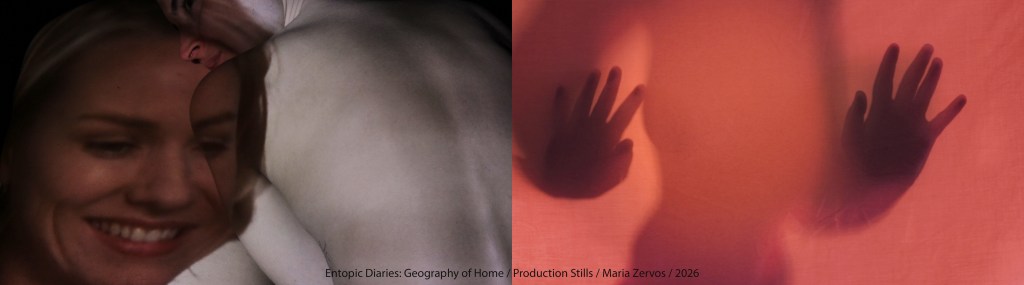
Maria Zervos, through her video films and her own poetry, focuses on the notion of entopia and the idea home. She has created video imagery as a diary that perceives the personal space of home as refuge, site of social reflection, and the locus of daydreaming. In Zervos’s work, the idea of home is connected to a broader understanding of personal space, functioning as a bridge between the artist herself, nature, people, and local cultures. Thus, a static point of reference has been transformed into a moving symbol of anthropogeography.
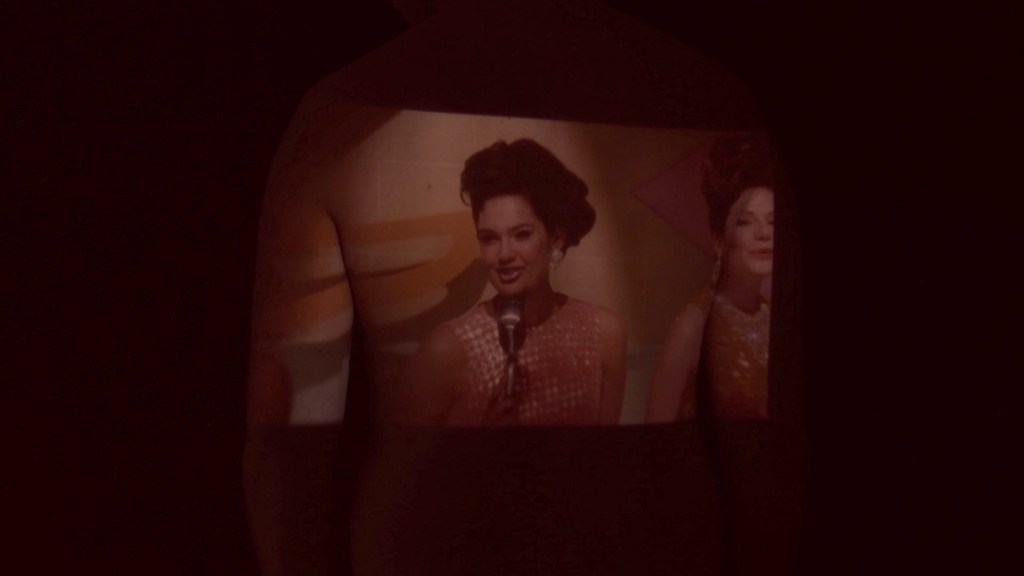
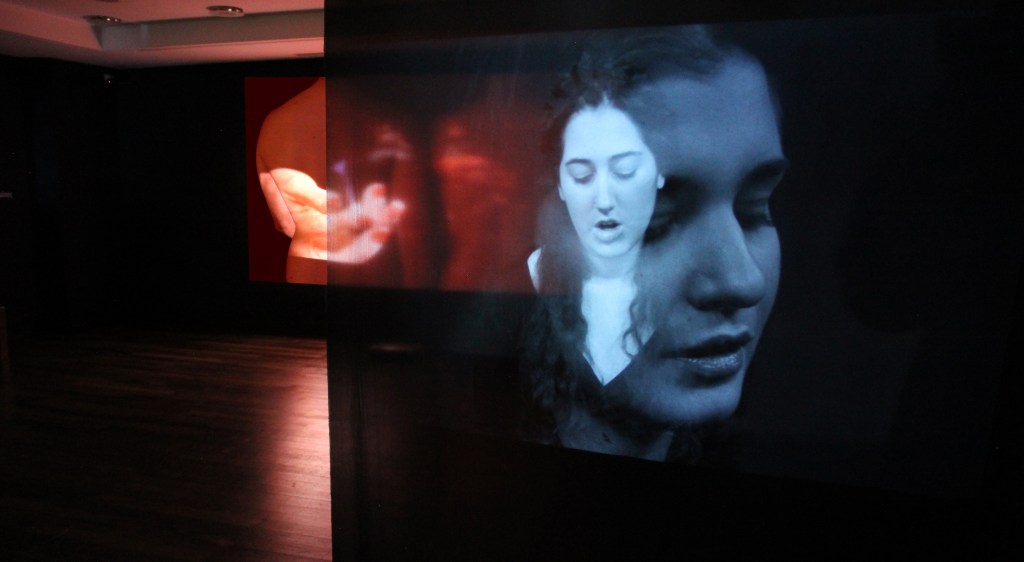
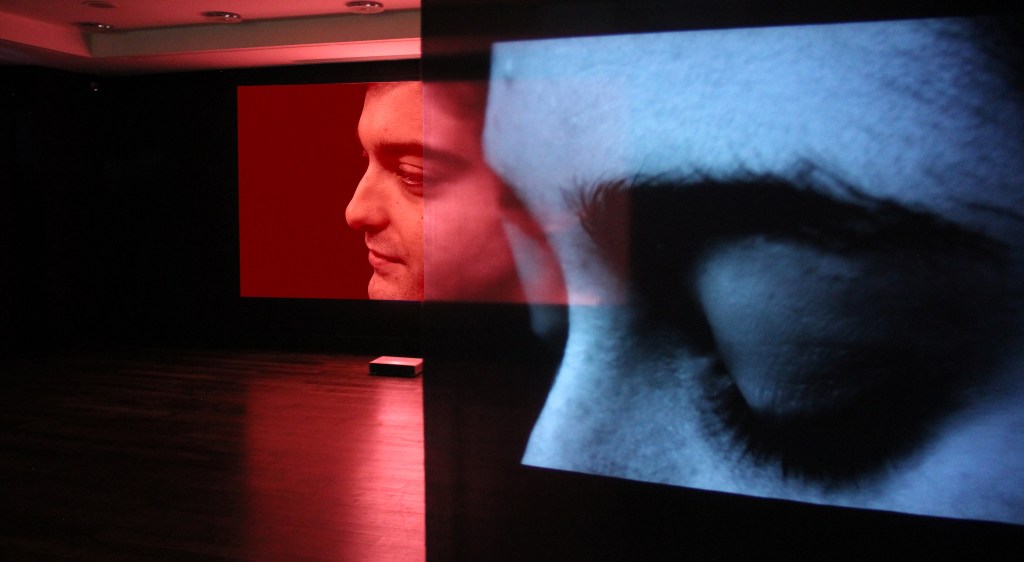
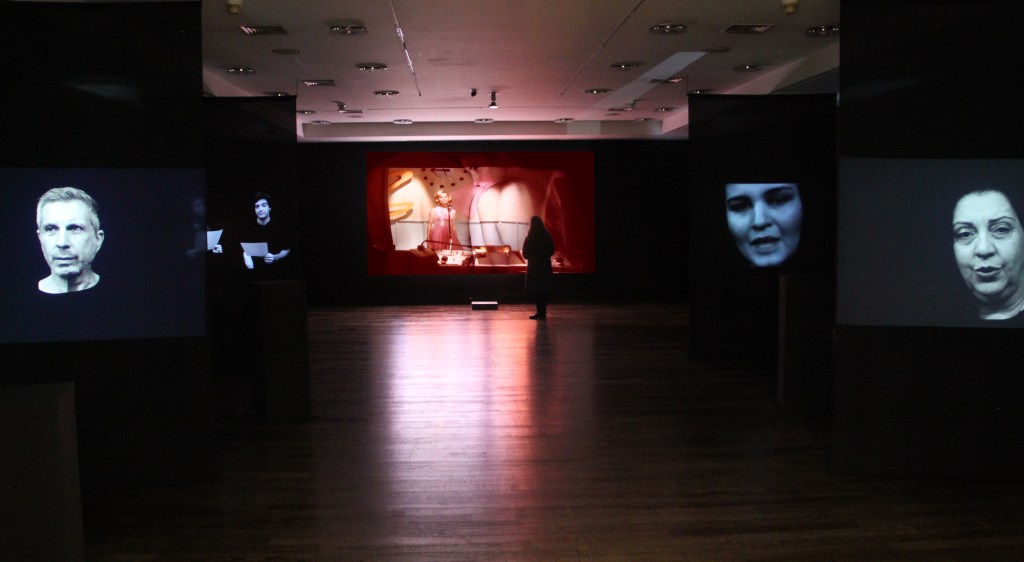
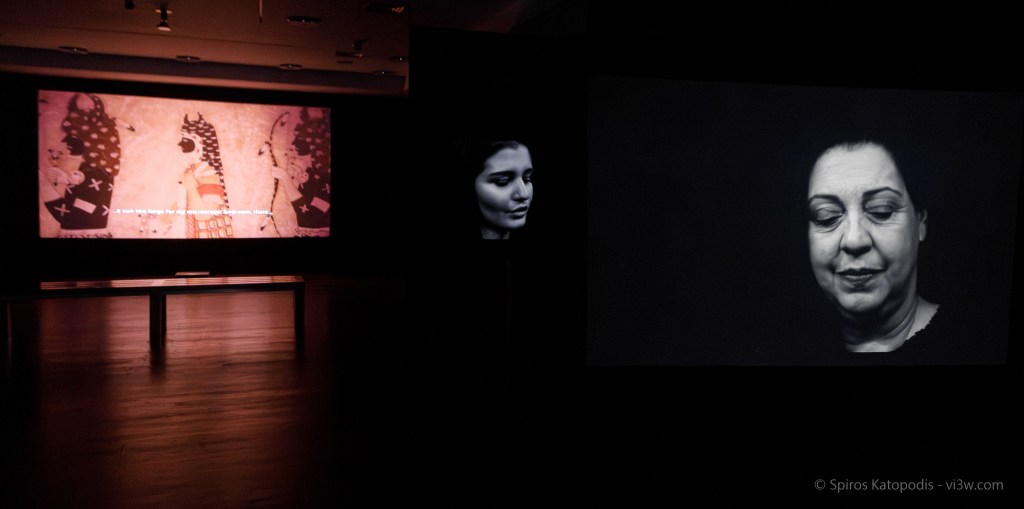
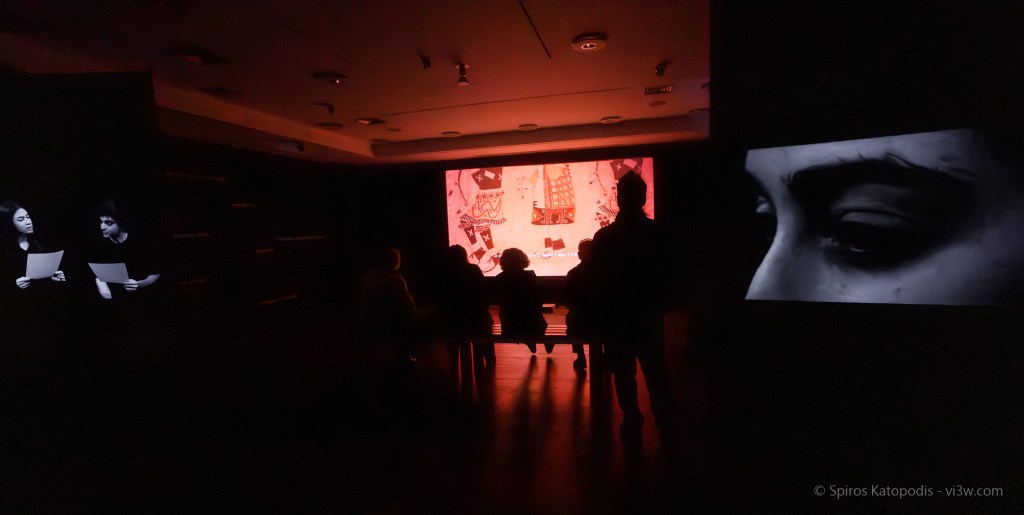
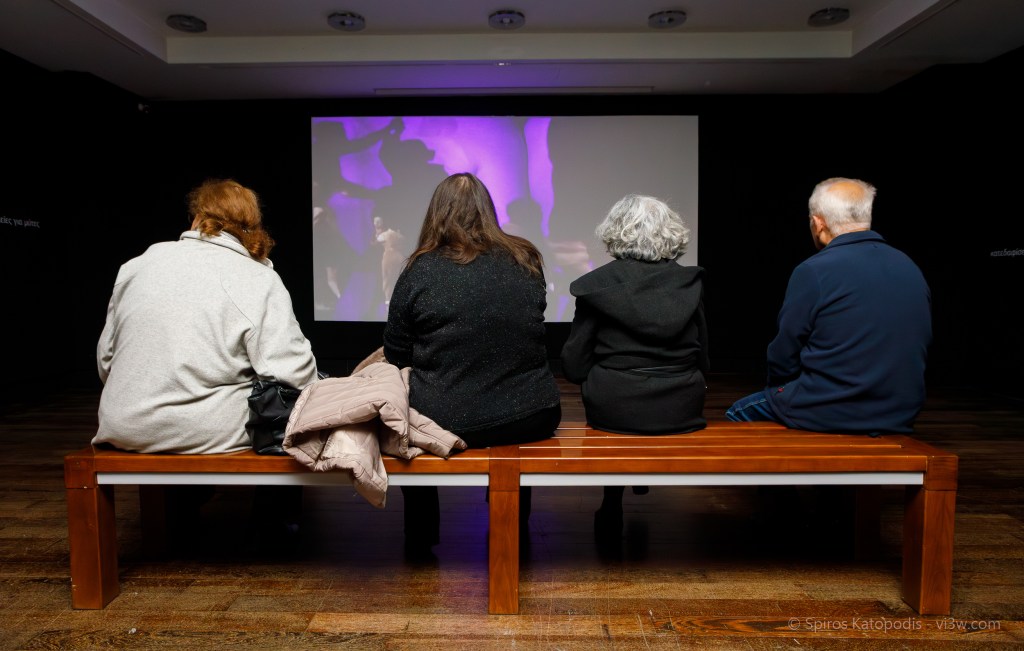
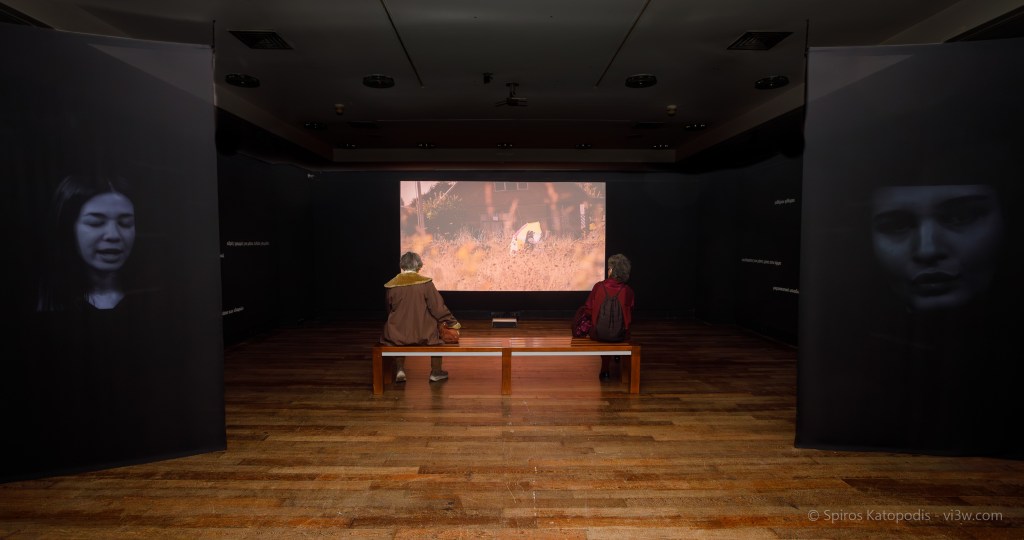
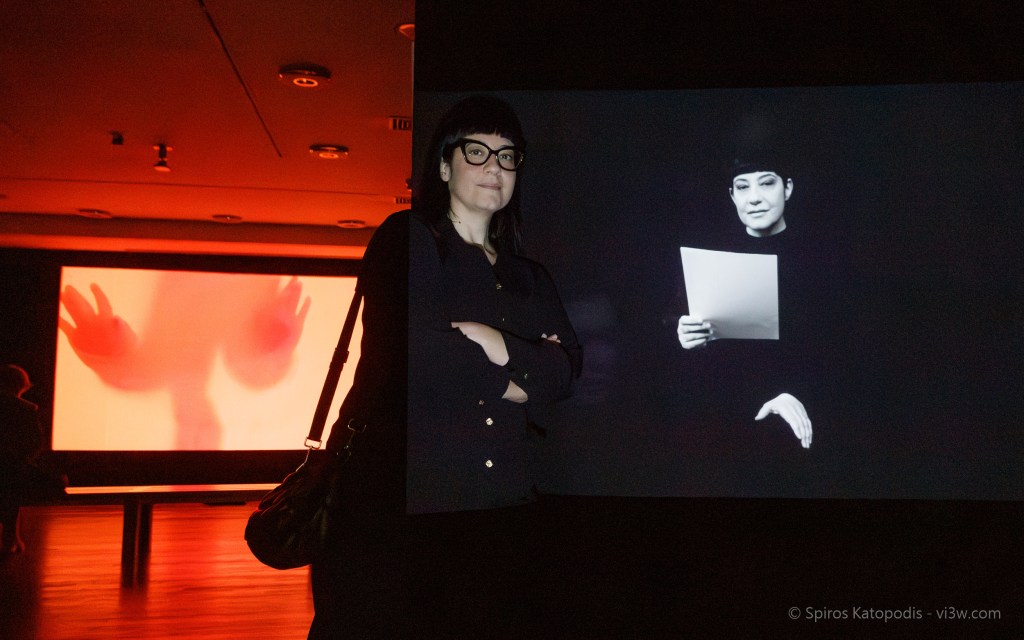
The exhibition is presented as a five-channel video installation, combining poetry reading performances by actors, footage from the artist’s own videos, and excerpts from David Lynch’s film Mulholland Drive. Scenes from Lynch’s film are projected onto male and female bodies, which are transformed into living screens—sites of contemplation for contemporary cultural realities.
Our home cannot be easily defined without addressing the foreign. However, the artist, having lived in many cities around the world, approaches it as a complex condition rather than fixed or closed. As she moves across places and homes, she records with her camera both internal and external mappings of the spaces she inhabits. Fragments of her daily life are transformed into cinematic interpretations of the architectural or constructed , physical and mental space.
The artwork Entopic Diaries: Geography of Home can be understood as an audiovisual memorandum, in which the artist investigates the ecology of transition and the ecosystem of home. Zervos’s video diaries are presented as part of a global cultural lexicon. Her intention is to create a single audiovisual mosaic, combining fragments from her experiences and emotions regarding spaces and moments—sometimes familiar, existentially and geographically complex but nevertheless no longer foreign to her.
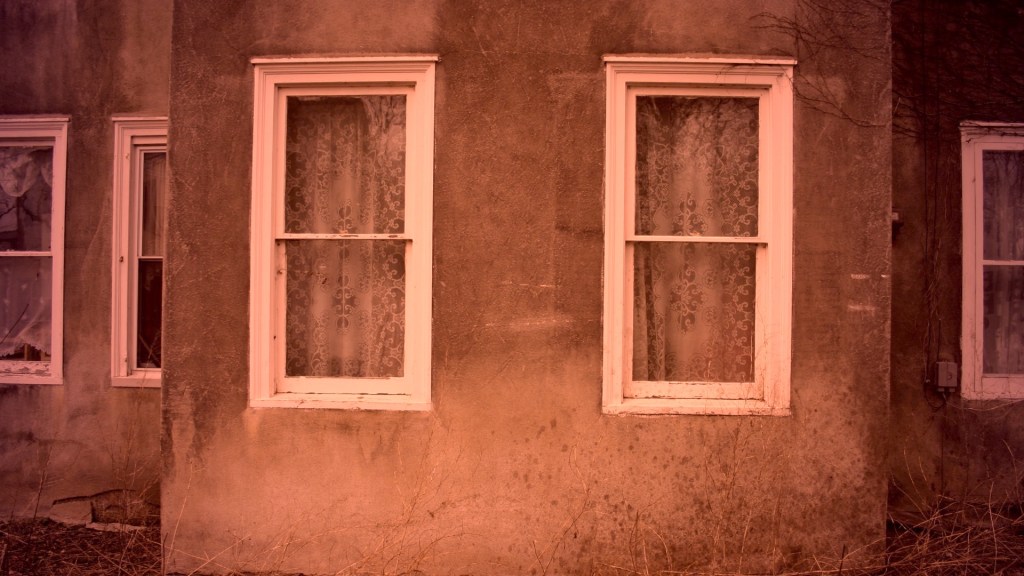
Buildings, ruins and environmental debris, people she observes from a distance or partially follows, self-portraits, poems, relationships, shadows, film excerpts, and the most private space of the bedroom all become elements of the artist’s visual grammar. Her camera becomes an extension of her body and her perceptual and emotional apparatus.
She refers to this work as ‘an epistemology of the gaze that connects the environment, architecture, and human presence.’ The human body, architecture, and internal and external environments function as metonyms of personal space. Simultaneously, her poems reflect on the Greek language as a refuge, on memory, duration, and her expanded idea of the home.
The relationship between home and the entopic deepens as the natural environment reflects organic and spiritual unities within the lived space. Through her artwork, Zervos explores the personal and the political, the contrast between inside and outside, the familiar and the new, and all the notions of rootedness and belonging. Yet, these are not approached statically or nationally, but as dynamically evolving conditions for those who voluntarily or involuntarily change their places of residence, with all the negative or positive aspects of this itinerant condition.
The microcosm of home is no longer limited to a single building, a neighborhood with specific geographic coordinates, the familiar faces of homeland, the mother language, or tradition. It nests all these as structures of identity and experiences, geographically and mentally expanded, drawing from human, non-human, social, environmental, and cultural materials of the places where the artist has lived. Through Zervos’ work, the security of belonging is challenged, enriched, and reshaped, creating a complex state where safety and insecurity, trauma, nostalgia, and integration, memory, new experiences, identity, and otherness coexist, shaping both an inner world and the very idea and image of home.
Zervos’s personal or observed experiences, together with the idea of transition, have become the structural elements of the artist’s memory and emotion, not only her vocabulary but also her personality and artwork.
Katerina Koskina,
January 2026
“ENTOPIC DIARIES” Press Release